
A Matter Of Perspective - Unreal Backgrounds, Blur & Angles
Fantastical Backgrounds, Angles, DOF & Highlights For Perspective
SQUIRRELSBIRDSLEOPARDS
Aniruddha Bhattacharya
12/16/20257 min read
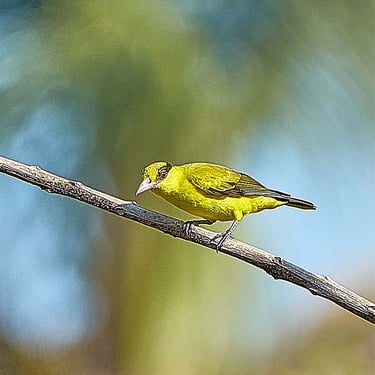
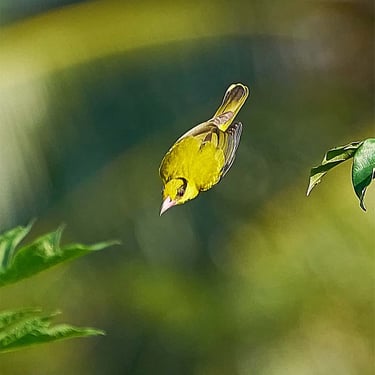
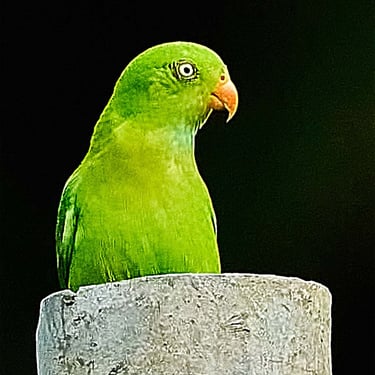
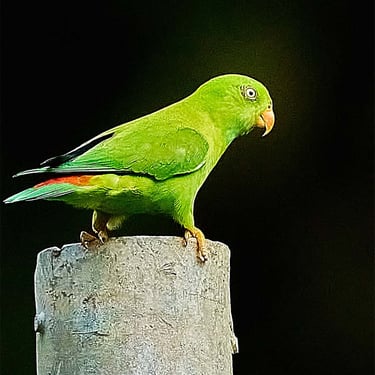
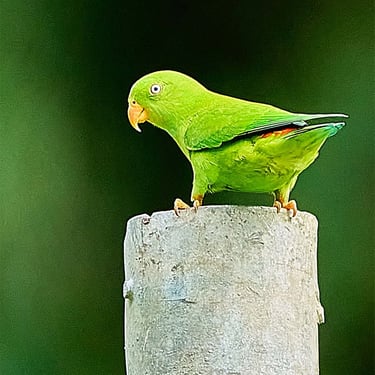
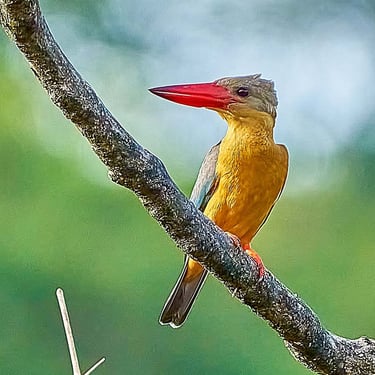
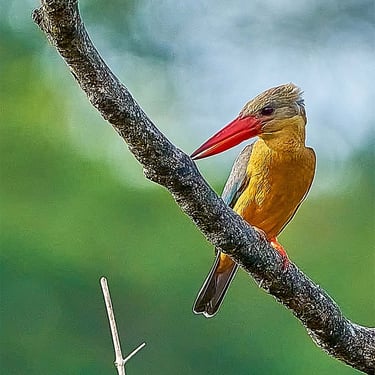
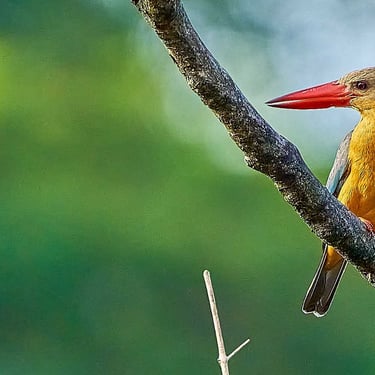
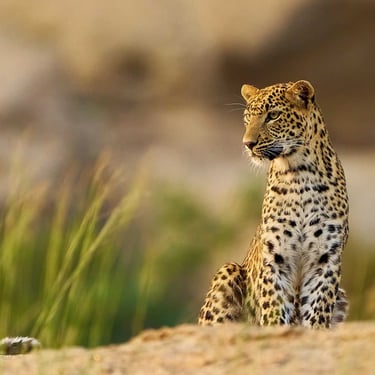
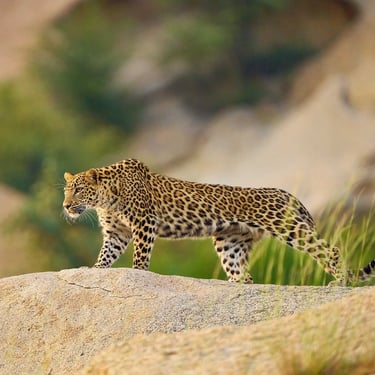
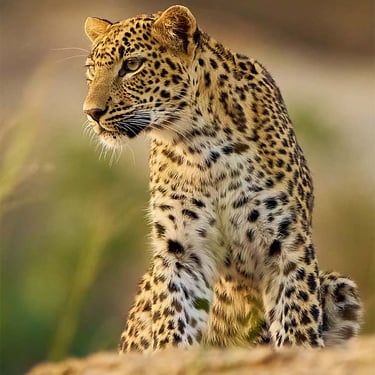
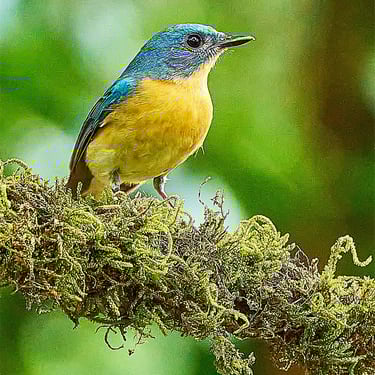
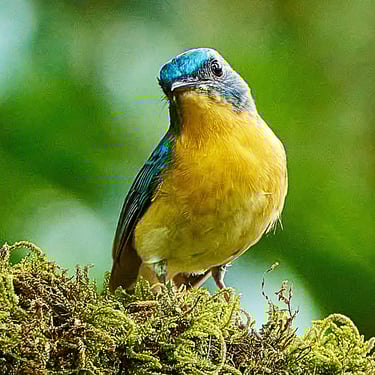
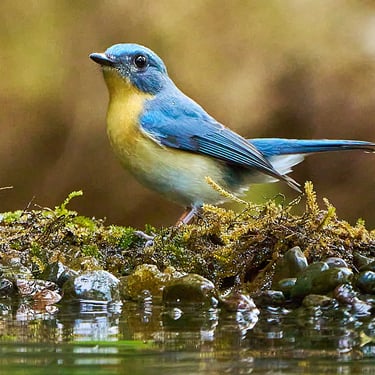
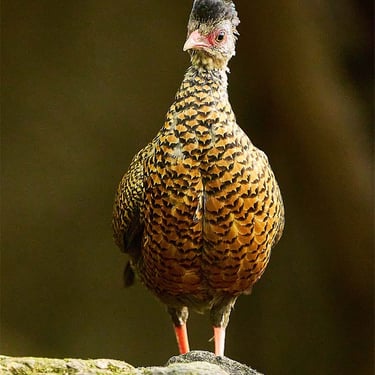
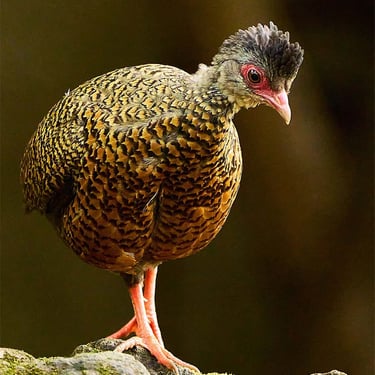
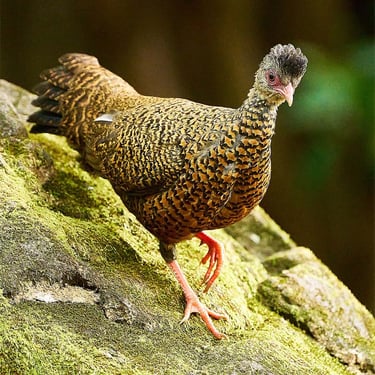
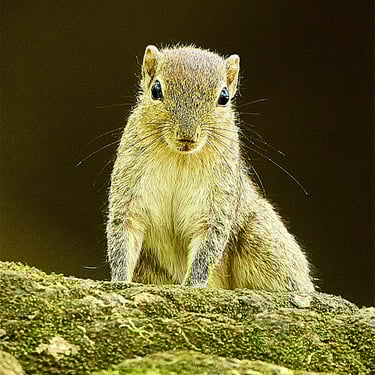
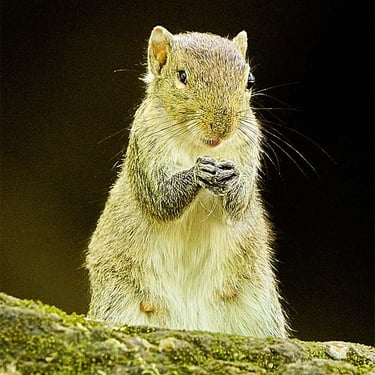
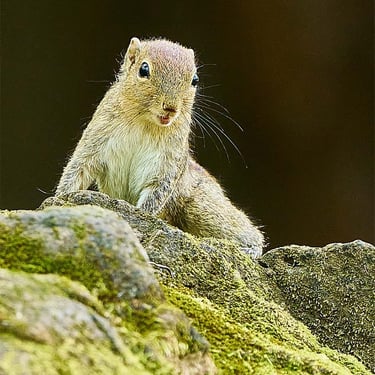
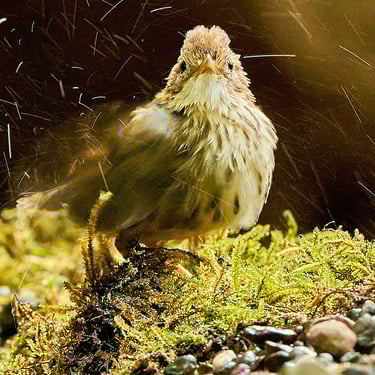
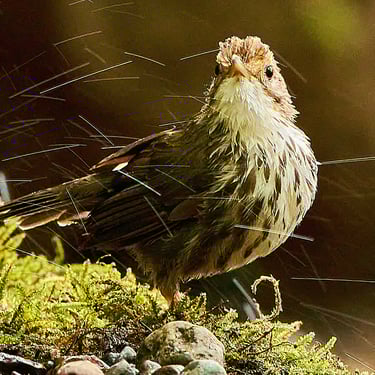
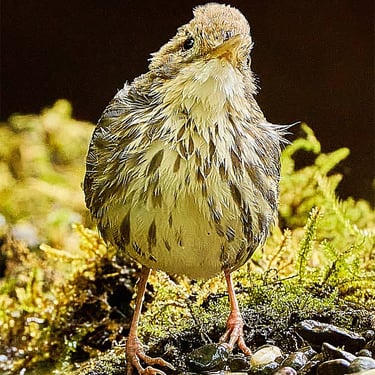
Pics : 1 - 3 = Black Naped Oriole ; South Andaman | Pics : 4 - 6 = Vernal Hanging Parrot ; South Andaman | Pics : 7 - 9 = Stork Billed Kingfisher ; South Andaman | Pics : 10 - 12 = Sub Adult Leopard ; Jawai | Pics : 13 -15 = Tickell's Blue Flycatcher ; Mulshi | Pics : 16 - 18 = Red Spurfoul ; Mulshi | Pics : 19 - 21 Palm Squirrels ; Mulshi | Pics : 22 - 24 = Puff Throated Babbler ; Mulshi
Perspective is such a huge concept. I’m gonna try and deal with as much of it that I know of cause I’ve been asked about the colourful and black backgrounds on some of my pictures. The background is a part of the perspective of an image but perspective itself is a much larger concept and to me, it’s more than the spacial relationships between elements in the image. For me, it also encompasses the story that the image gets across which may be totally different for two different observers.
Everyone will probably agree that generally, perspective is key to perception which in turn influences behavior. A large beast cannot and will not behave like a small creature. It won’t survive if it does and the same goes for the other way around as well. The concept is pretty universal for any entity or creature. What might be a little back yard for us is a whole playground for a squirrel or a bird from my perspective. The branches of a palm tree can become an entire cryptic backdrop that can be used to show off an adult Black Naped Oriole like in Pics : 1 – 3. For the guy with the telephoto lens, watching through it brings forth the photo opportunities presented by a much more detailed and smaller world when focusing on smaller subjects and it’s only natural I think for us to start wondering about the perspective of our subjects who live with that reality where a thorn can be an obstacle in one’s path for example.
For the photographer, our cameras enable us to change the narrative of an image by changing the perspective of the final image intentionally. If you change the angle while taking a picture to show a subject looking upwards vs straight, the story being told might change depending on what the subject is looking at. We also have to remember that our cameras cannot always capture everything as is and that there are lens related limitations like blur when focusing on small and fast subjects. If you use a fast shutter to catch fast movements, your lens will blur ahead and behind the focal point. If you use a slow shutter to catch everything, fast movements in the scene will appear like a blur. These side effects on the final image sometimes have the capability of influencing the perception of the perspective and that adds an artsy concept to this usually sciency thing that we call wildlife photography. The Blur or Bokeh caused by the lens’s Dept Of Field can influence perception by changing perspective as can the image of a blurry head on a still background. Using an intentionally Slow Shutter, DOF and Change of Angle are the artsy tools that us dudes with cameras use to highlight, block off and basically influence the audience’s perception to align it at times with a set narrative when we’re staging for a reaction with studio shots. Out in the wilderness, the same concepts can be used to create breathtaking and fantastical backgrounds among other things. You just have to keep in mind how far ahead and back your curtains of blur are while playing with DOF and remember that with everything in photography including that curtain, light and shadow will play an important role in the final product.
The camera will blur more further ahead and behind the focus point when you’re using a low F number. It’s the low F number which gives you a sharper focus on your focus point at a larger aperture (which is a wider opening of your lens for more light to get in). So a large aperture is a small F number which also means a faster shutter reaction for your camera. You can’t have both a fast shutter and high F number together and every lens has its F number limitations based on what the lens was designed for. If my lens allowed me to shoot the bird in Pic : 1 at say like F 14, the background would’ve been totally clear to look at, but the shutter would’ve had to stay open for so long that the camera would’ve missed the bird’s moment which I was after and given me a blurred bird in motion. When you have time with subjects like landscapes, a higher F number is ideal but with my guys and their moving body parts, you need your results immediate and the DOF blur’s the resultant, uniquely beautiful side effect of the trade off. It’s an amazing trade off IMHO cause it totally changes perception of the final product. It’s the art in this hobby that’s a mix of science, art and all what not.
Decreased highlight on a faraway, naturally dark background will give you a lit subject with a dark background like in Pics : 4 – 6 and 16 - 24. Applying the same treatment to a faraway, bright background will give you the bright, confetti coloured finish on fantastical shapes which are actually part of things seen everyday, just magnified and blurred like in the backgrounds of Pics 1 – 3 and 7 - 15 here. Decreasing highlight is easiest done in post processing on RAW images or alternatively you can use Exposure Bracketing and Spot Metering on site when you know a location and background but fiddling with settings isn’t really something I recommend with birds unless you’re sure cause they won’t usually give me much time and I usually don’t have the luxury of repeatedly visiting the same location being a hobbyist. If your background is close, highlight play will give you squat and there’s no point trying even for the sake of the background. It may have other effects you may like on the subject though. These are very common photo opportunities that happen everywhere and the trick is in just knowing the opportunity when it's in front of you. You don't need to travel to South America to make an image of a bird with a black background. It becomes black cause it's far.
I met the Black Naped Oriole in South Andaman last year and they were such a pleasure to watch with their distinct golden yellow colour, pink beaks and contrasting black napes and markings. The backdrop on Pics : 1 – 3 just blew me away to the point that I was eyeing the background more than the subject to a fault really. It was bright, threw a gorgeous pattern and was so far back that it had me hoping for something grandiose to look forward to when it would come up for edit. Coming up with interesting background patterns with DOF is always a possibility with smaller subjects because the things in the background are normal things, blurred by DOF and seen only partially and as a pattern thanks to the lens induced blur. Those palm leaves are totally transformed by the lens blur and for me that changes the mood of those images to something so unique and magical. It’s what actually makes me wonder about perspective from the point of view of my smaller subjects. How different life must be for the small Oriole flying past those huge palm leaves around him while they blend into a green blur in his field of vision as he gets through? That bird’s life must be so different to mine in those moments. Reality itself must be such a different concept for him.
I saw the Vernal Hanging Parrot a few days after meeting the Oriole and the light was right on the bright parrot who had perched well in front of the bush behind him. Dropping the highlight on those naturally well lit pictures of the parrot turned the background dark and highlighted the subject even more for the final images ( Pics : 6 - 8 ). The Kingfisher from South Andaman ( Pics : 7 - 9 ) just tells his story better visually when the perspective shifts by changing angle. It's better visually to leave empty space to the direction of the subject's sight.The last photo of the Kingfisher to me, gives a clearer understanding of his perspective and that blurred background just helps with that shape above his head as the backgrop. With larger subjects like the Leopard in Pics : 10 - 12, you can make out the shape of the things in the background cause he's larger and yet the blur does add it's touch to the image. If the hills behind my Leopard had been dark, playing with the highlight would've blacked the background out in these images as well cause those hills are far.
A little change of background can become a total change of the image's story and happens frequently with birds like with the Tickell's Blue Flycatcher in Pics 13 - 15. He's just fluttered down from the branch in Pic 15 and the whole story reset as a result. That's why fiddling with settings with these guys can be such a pain at times. I had a lot of time at the same location in Mulshi and had a ball trying out different combinations of settings to better understand background manipulation while I was composing my shots of the Red Spurfoul ( Pics : 16 - 18 ), The Squirrels ( Pics : 19 - 21 ) and The Puff Throated Babblers ( Pics : 22 - 24 ). In the case of the Babblers, the splashing water turned out to be a sweet addition to the final perspective on some of the pictures and by complete chance. The final touch to an image's perspective for me is the crop. Adding space, taking it away or cropping for zoom is common practise with our high rez capabilities. There is no fixed ratio that you can crop off safely cause everyone isnt packing the same number of MPs in their sensor. Gotta know your own sensor and gotta keep in mind the medium of presentation. Crop too close and you can't show that on a big screen or print cause the pixels will show and sadly, not all crop sizes fit well on phones. What works for display in one medium, just might not in another.
Like most things, you catch more of these opportunities on time with practice. I’m really glad to have stumbled into most of them perchance and I guess it’s a little easier to remember when you discover them that way. It’s not as easy to run into the ideal conditions when you’re a hobbyist with limited time but then I guess that’s what makes it special for us when it does happen and keeps things fun. Oh the trade offs man ! Would I take it any other way though? Probably not. It’s fun stumbling into techniques you never thought you’d pull off. It’d suck any other way.

© 2025. All rights reserved.