
As Smart As They Come - Treepies
Rufous & Grey Treepies
BIRDS
Aniruddha Bhattacharya
7/7/20265 min read
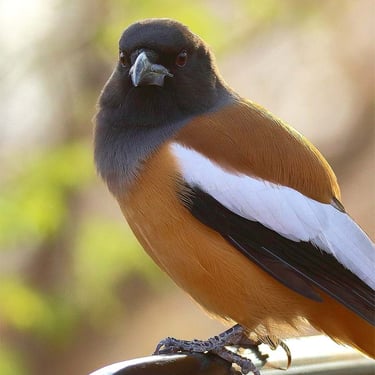
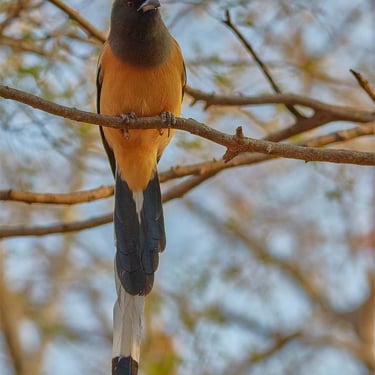
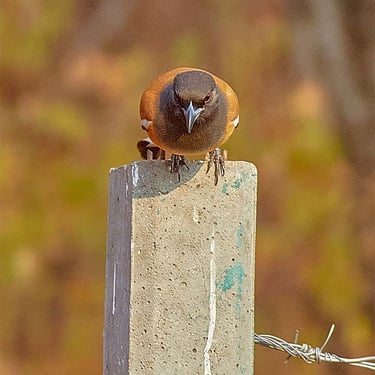
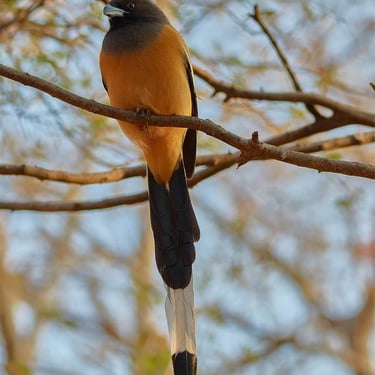
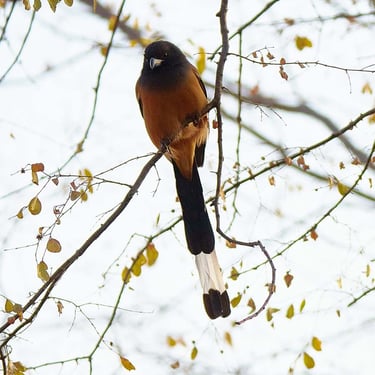
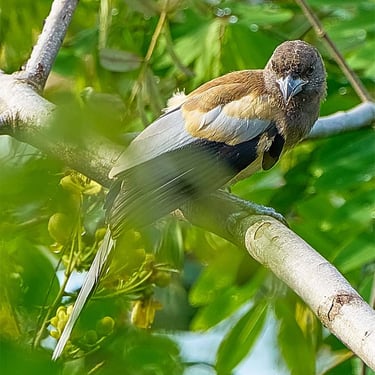
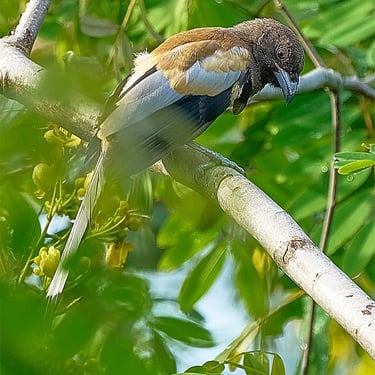
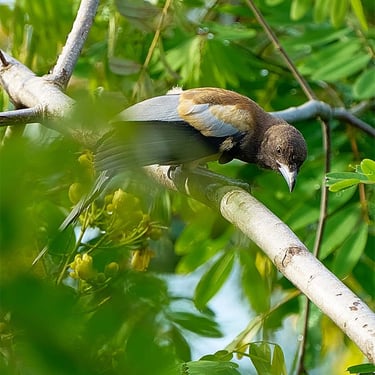
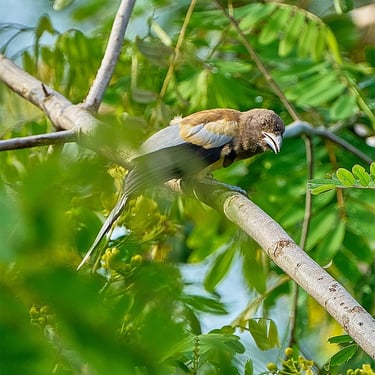
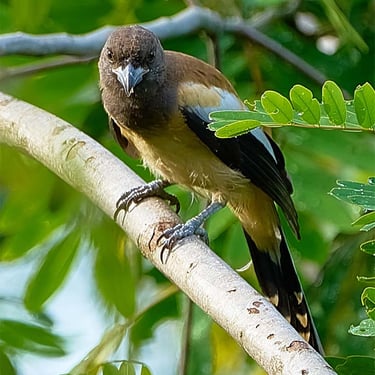
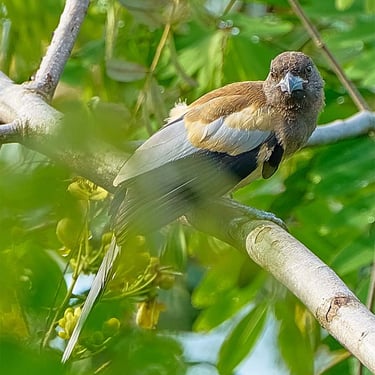
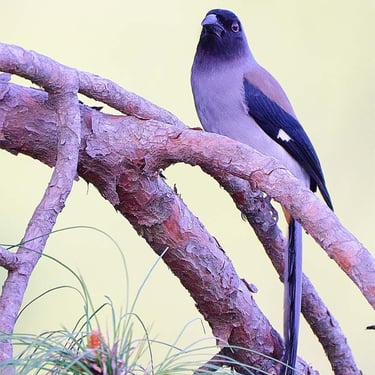
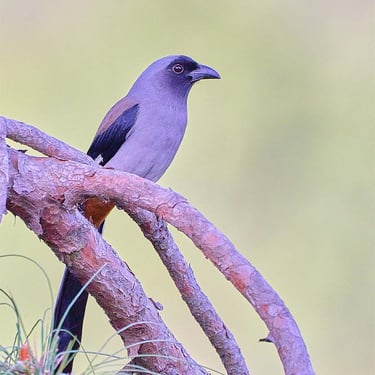
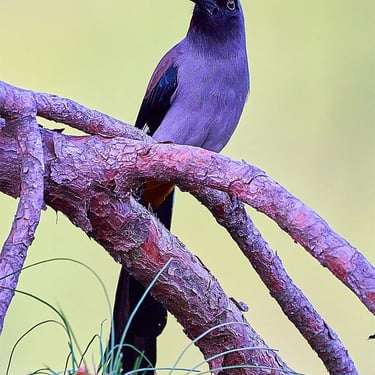
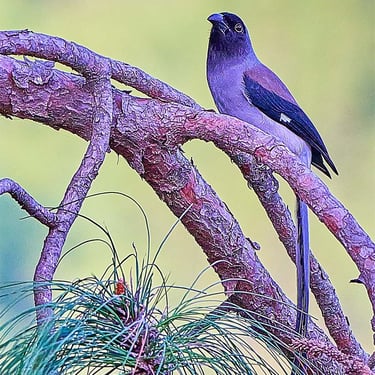
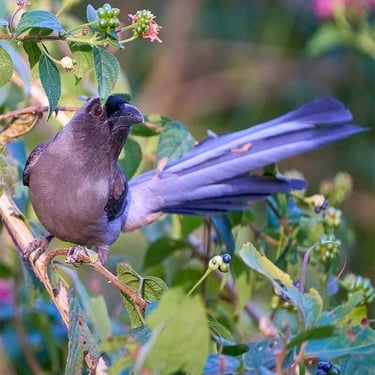
Pics : 1 - 5 = Rufous Treepie ; Ranthambore National Park | pics : 6 - 11 = Rufous Treepie ; Pondicherry | Pics : 12 - 16 ; Grey Treepie ; Sattal
The early days of discovery of this interest in wildlife are pretty magical cause it’s kinda like discovering a new way to observe. Well, that’s how it was for me anyway. Learning about life came at the right time for me and probably when I needed it the most. First impact is usually deep and one of the first birds that made an impact on me was the Rufous Treepie whom I encountered in Ranthambore on one of my first safari trips with a long lens ever. These birds hang around the snack counters in the lunch enclosures of that park and are there for scraps of food. If you wana see a character that can shift from being rowdy, to being a beggar and then switching to doing tricks for you, I’d seriously recommend those lunch enclosures cause these guys there are sure to keep you entertained whether you like it or not. Oh, those birds can be pretty colourful alright and that can easily be seen in the photos of the species posing on top of tourists’ heads at the park. Now, most people are at Ranthambore for Tigers but interestingly the most common clear and detailed images that tourists catch on their mobiles are probably of these guys from the lunch enclosure and if you’re lucky you get one of them to pose on your head for the shot.
I didn’t spot the resemblance right then, but these guys are related to Crows and are a part of the Corvid family which is known the world over for being the most intelligent family of avians on this planet. Members of this family are known to be super intelligent and have been observed to even adapt tools for their foraging needs. They are also known to hold grudges for years and can even recognise Humans by face. The resemblance is pretty obvious though but then I guess that I’ve seen a lot more birds by now to spot species and families by sight. Their intelligence was easy to spot even on that first exposure to them cause like I just said, these guys knew how to work for their tips at that lunch enclosure and they’d even resort to robbery if ignored for too long.
Corvids are smart and their dominance over the cityscapes across the world proves that cause cities aren’t easy for the wild usually. Treepies are a part of the Corvid family and there are twelve species of Treepies across four genera, spread across South and Southeast Asia. Of those twelve, five species are seen in India and I have seen only two of those five so far. The Rufous Treepie whom I saw in Ranthambore (Pics : 1 – 5) was actually a lot brighter in colour than the one that I ran into in Pondicherry (Pics : 6 – 11) and that’s probably due to slight differences in sub species and climate adaptions. I ran into this second guy thanks to a disastrous bird walk that I was made to participate in while vacationing in Pondi. Well, I do have the pics of that treepie staring me down to show for it at least I guess and that kinda taught me about the variations in the species as well so the walk was not a total disaster after all.
These birds get upto 55 cms in length and upto 140 gms in weight. They’re pretty midsized, they aren’t in a rush, they’re easy to photograph and they have attitude as you can clearly tell from all of their photos. These guys have a very conspicuous musical call that sets them apart from most Corvids and they are omnivorous, mainly feeding on insects, fruit, nectar, seeds, lizards, rodents, carrion, smaller birds, eggs and leftovers from Humans in urban areas. They are often seen in groups on treetops or near where they know they can score some food in the cities. Like many Corvids, they tend to hoard food for difficult times. Unlike other Corvids who bury their stash, these guys hide theirs in the tree canopy, tucking them into crevices in tree bark, dense foliage or in forks between branches.
These guys are monogamous and form lifelong pairs. They breed prior to the monsoons across India. Rufous Treepie pairs perform displays to strengthen ties before the monsoon season and they then gather twigs to build a flimsy cup or platform nest lined with rootlet and moss. Their nests are usually placed 3 to 15 meters high in exposed tree forks or bushes to avoid ground predators. The females then lay a clutch of 2 to 6 eggs which are pale greenish or pale coloured. These birds are found from Pakistan to Thailand and in forests, scrub, plantations and gardens. They migrate seasonally between different elevations and there are nine recognised sub species that vary slightly in size and the colour saturation of their plumage like in the case of my two subjects that you see here.
I ran into a pair of Grey Treepie at Sattal in Uttarakhand. I’d just been introduced to Magpies that morning and the similarities between the two Corvid species was easy to spot for me by then. The immediate issue was getting them in a single vertical frame for social media at the time and in that regard, the Treepie was a lot more accommodating for me than his Magpie cousin. His tail’s nowhere near as long and that just made his pictures a lot easier to score vertically and horizontally in comparison to the Magpie’s flamboyantly oversized tail which made vertical shots quite a bit of a challenge. The similarities between the Rufous and Grey Treepies are blatant and it was easy to see that the Grey’s that I was looking at were cousins of the Rufous that I’d seen throughout central India although they weren’t quite as rowdy as the ones I’d encountered at Ranthambore, those birds were a class apart really, cause of the local environment. At 40 cms and 140 gms, these guys are a little smaller and lighter than their Rufous cousins. They prefer higher altitudes and that explains their presence at the Himalayan foothills of Uttarakhand. They are found in forests, cultivation and human habitation areas in the lower Himalayas and Eastern Ghats in India and are also present in China, Myanmar, Thailand and Taiwan.
These birds usually squawk, chatter and are known to whistle melodiously but that’s nowhere near the melodious calls of their Rufous cousins. They are often seen in mixed flocks with Laughingthrushes and other hill birds. It’s a defence strategy that the birds of the lower Himalayas have adapted to well and safety in numbers serves a feeding flock well as any hurried change in flock behaviour can warn every member of the flock of the change in an environmental dynamic. Their nests are usually shallow cups lined with hair and built in trees and bushes unlike their lighter cousins.
A brief look into the lives and lifestyle choices of the similar Grey and Rufous Treepies shows how much variance can be seen in even similar species of creatures that belong to the same family and group. These variances can be inhered, learnt, passed on, necessary because of environmental conditions or even enforced. They’re similar birds but they don’t live alike, neither do they behave nor call completely like each other. They’re different versions of a common ancestor that have grown apart because of their environment and lifestyle choices. They’re similar and yet different species that don’t overlap in territory because of the preference of living in different altitudes. Treepies are true to their Corvid roots and are smart birds that aren’t intimidated easily by Humans. They think fast and their confidence is apparent in their gait. So here’s to hoping that I can spot the remaining three that we can find in India soon and have another post up about these guys on here.
© 2026. All rights reserved.