
Gobsmacked By The Ordinary II - Myna
The Very Uncommon "Common Myna"
BIRDSSTARLINGS
Aniruddha Bhattacharya
5/26/20265 min read
Pobitora Wildlife Sanctuary ; Assam
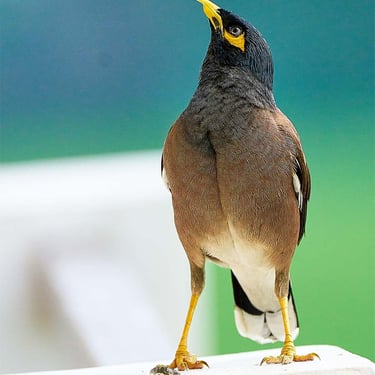
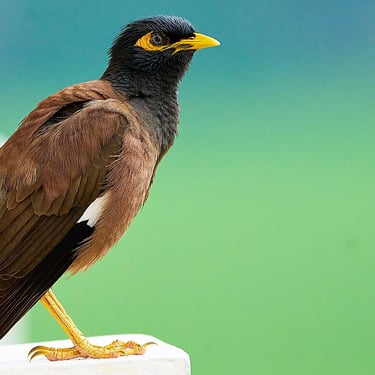
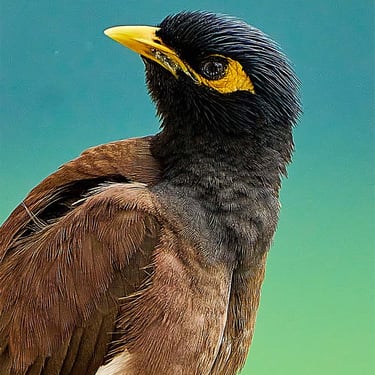
I guess that you can often get an idea of an animal’s reputation when you translate its ancient name. Our ancestors were pretty upfront about the meanings of the names they chose and the names of beasts usually reflected the feelings that they instilled. I’m talking about the actual ancient here and not names from a couple of hundred years ago when colonialism brought the trend of naming creatures after oneself to the fold and when even comical names crept into the process of renaming the beasts for the colonizers. Well, these guys were called ‘Kalahapriya’ in Sanskrit which translates to “someone who is fond of arguments” and you have to agree that it’s pretty much on the money from a Human perspective if you just observe these birds for a bit. These guys just look like they’re in a bad mood perpetually and their calls pretty much convey the same attitude to the observing Human. If you look closer though, you might just realize like I did that it’s the poor guy’s face. He just has a grumpy face and his attitude is just aggressive usually and that pretty much is the reason for his success as one of the birds who has been the most successful in his home range and beyond. You can’t blame a dude for surviving and using the environment to his advantage just like we do now, can you? But coming back to the point of getting a detailed look. It’s pretty hard to do that with birds usually and I guess that’s where the camera comes in.
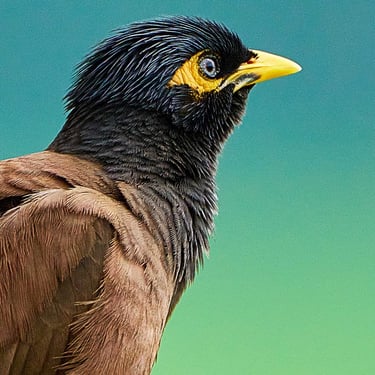
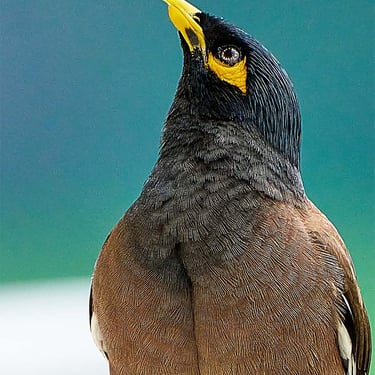
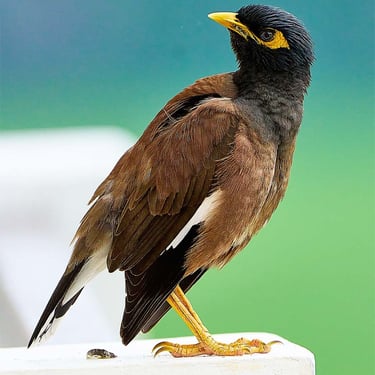
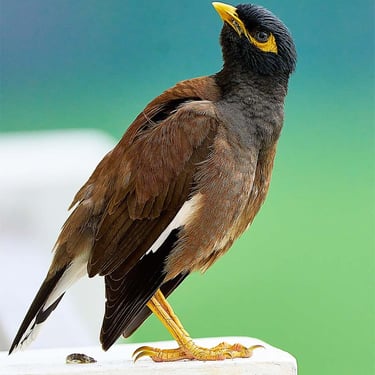
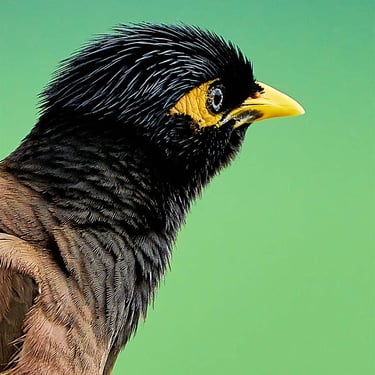
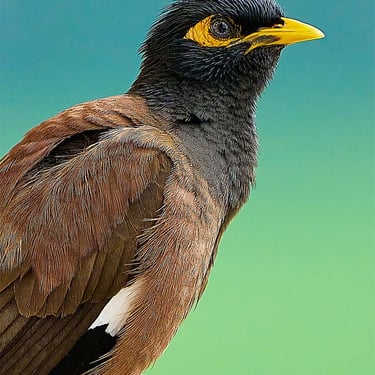
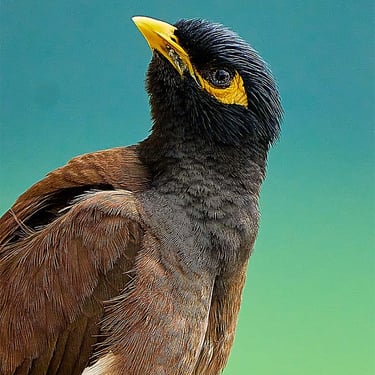
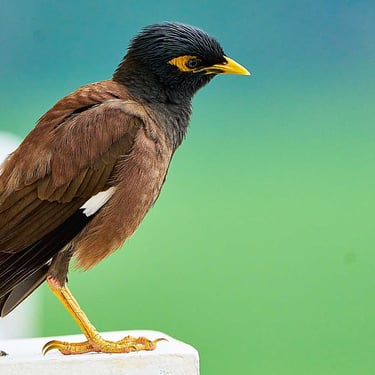
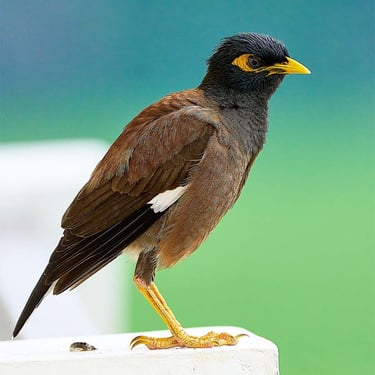
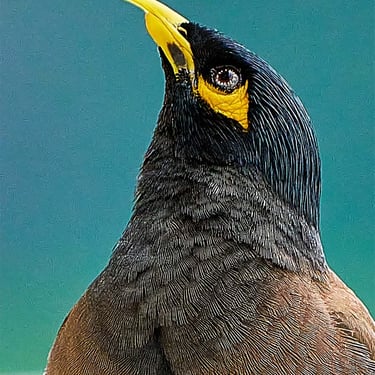
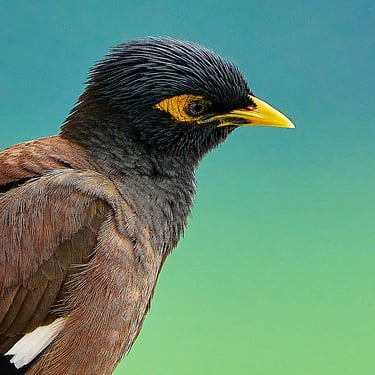
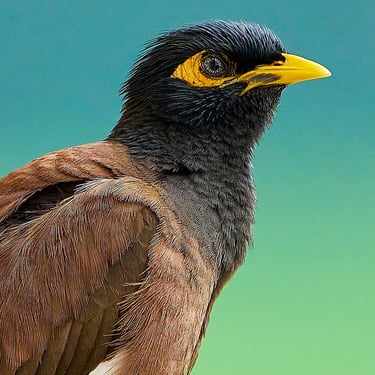
I’d been “seeing” these guys since childhood and honestly, it’s pretty shameful when you don’t notice the most striking feature on something you think you know well. Just look at my guy’s eyes. Now have you ever seen eyes that look like a clock or a compass? Well, there you have it. The realization was a sack of bricks to the head and a Gobsmack all rolled into one that hit me on my visit to Pobitora in March. I had a day and a half inside Pobitora during my visit like I wrote in “In The Realm Of Unicorns II” cause the rest of the day and a half were actually washed out. Well, sunlight after rains usually creates beautiful photo opportunities like I wrote in “The Dazzling Forest” and I just had to step out to the balcony to see if I could find something there and I did score a few birds. A quick review of those images pretty much dropped this bomb of a realization on my head and that kids, is another reason why I just love this hobby despite the shame even. The most so called, “common” bird had been hiding the most uncommon trait from me for all my life and I would have probably never stumbled upon it if it wasn’t for how pretty all the colours in that frame looked. Well, I’m better off for it none the less and very thankful.
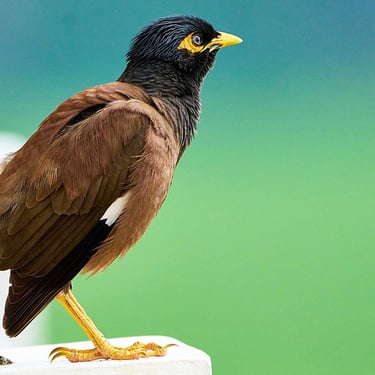
Mynas are very common where I am from because of their success in human habitats. They are one of the most seen birds and I hadn’t really “seen” their eyes despite being someone who claims to be into wildlife. Such shame man. Its laughable really. One can say that you never really get close enough to notice details in the day to day but that only goes that far when you have actually had a 600 mm for a decade. Fact is that I’d ignored the “common” like most of us in our chase of the exotic. Well, there’s a lesson here that I intend to keep in mind. My guy in question is called the Common Myna or the Indian Myna usually. There are other similar species of Myna that I’ll come to in a different post I guess but these guys are currently the most successful of the lot in the game of life. They can be found from Kazakhstan to Japan and have been introduced to many parts of the planet including Australia, New Zealand, Florida, South Africa, Cyprus, St. Helena and Seychelles to name a few. These guys are tough as nails and have broken free and thrived in every environment where they were taken. We can call them invasive as much as we like in our literature but their presence outside their home range isn’t on them like in the case of most so called “invasive” species. Their survival in a foreign environment is actually credit to them and their will for survival. It’s not their fault that they lost the exotic value that their kidnappers attached to them initially. In fact, our introduction of these birds to new environments has made them so successful in the regions where they were taken that they are in the top three birds in the list of invasive species in the world. They have conquered and thrived despite handicaps and literally conquered everywhere and there is nothing to be done about it, literally. Most Governments have lost wars that they have waged on any species despite all the technology deployed and Australia’s lost Emu War is probably the most hilarious example of that. We have witnessed the same with numerous species in Florida and the same goes for these guys and their presence around the world.
These guys are medium sized birds and they growl. No seriously, I don’t think I’ve heard any other bird growl like they do. They are also known to call out to warn others about approaching predators. These guys also vocalise in unison in their communal roosts before going to sleep making “communal noise”, which is basically wishing everyone good night so that they all then stay shut for the rest of the night. Mynas are a part of the Starling family and are the ones of that family that have adapted the best to urban life. Like most members of the family, they are omnivorous and feed on insects, grubs, earthworms, seeds, grain, flower nectar, human waste and grasshoppers. They are expert grasshopper hunters and this trait actually gives them their genetic name which translates to the same. In their home range, these guys will often use the nests of other birds while preferring artificial nesting spots in places where they have been introduced to by Humans.
The reputation of this species often varies on where that opinion is from. While in places like India which is a part of its range, local legend and opinions see the species positively but the script flips in places where it’s been introduced to the landscape later. Indian folklore attaches joy, faith and even prayer as attributes to the local bird. They are often portrayed as the carriers of divine messages or even the symbols of conversations between the divine and the Human. Since our school days, we have been muttering a rhyme that says “One for sorrow, two for joy”, when seeing these guys. Seeing a couple of these birds is seen as a sign of good luck around these parts and they are also seen as a sign of loyalty given that they mate for life. It’s pretty common for parents in my home state of Assam to call their daughters or other loved ones Myna out of affection. Outside their native range though, they are seen as outsiders and legends in Hawaii and Australia depict them as magical beings which are symbols of ecological disruption.
It’s clear to see that this species has built quite a varied reputation for itself around our blue rock but for me, the fact that makes it the most unique is the one that I discovered about it most recently. Its eyes Gobsmacked me and almost dropped me out of my chair when I discovered it in my photos. Well, it turns out that the starlit pattern is not shared with other Myna species also found in India like the Bank Myna and the Jungle Myna. Both are also species that I have encountered and posted pictures of here and yet never noticed the speciality. Well, I’m all the better for having noticed what's rare in the most common finally and scored these shots in the process. The ancient's didn't mess around when it comes to names like I was saying at the start of this post and another Sanskrit name for this species is actually 'chitranetra', which translates to "picturesque eyes" and now I know why I guess. Just look at those eyes man. Nothing common there at all and that makes the Myna pretty rare and uncommon actually for sure.
© 2026. All rights reserved.