
The Babbler's Fuss I - The Jungle, Straiated & Rufous Babblers
The Similar Looking Jungle, Straiated & Rufous Babblers
BIRDS
Aniruddha Bhattacharya
1/6/20264 min read
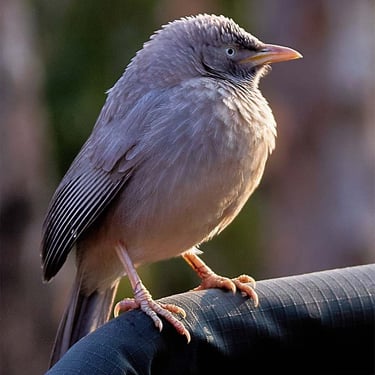
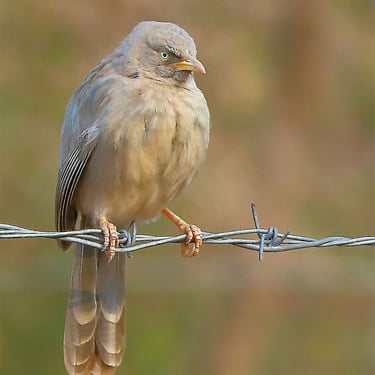
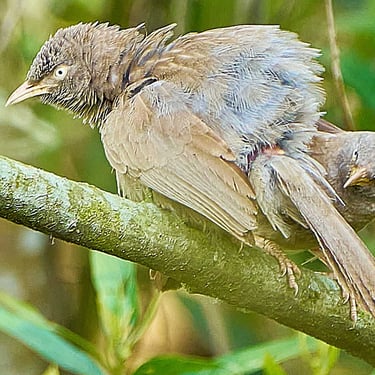
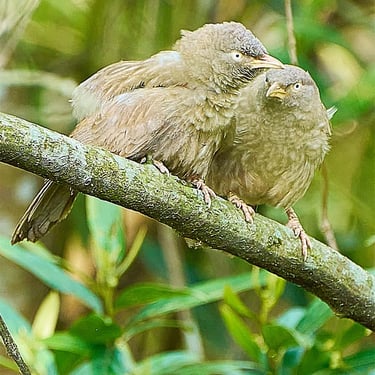
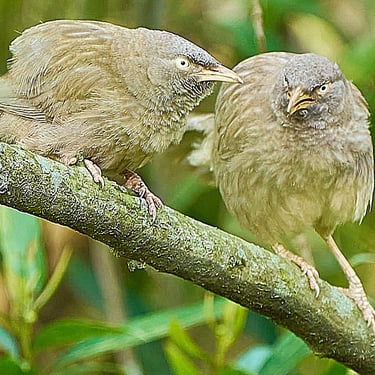
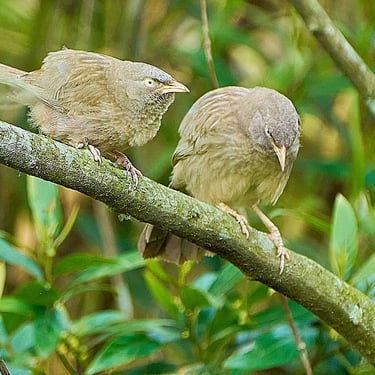
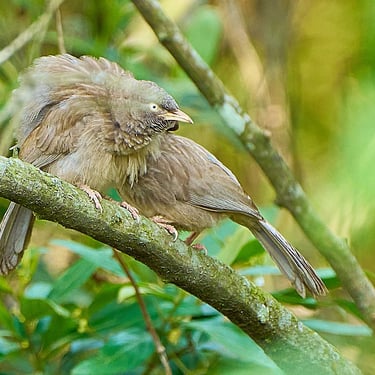
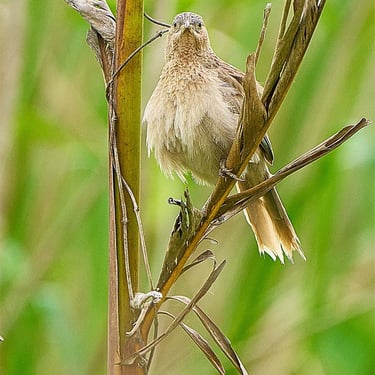
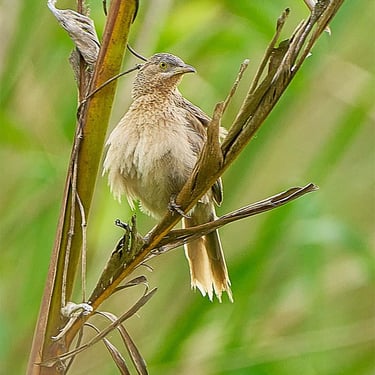
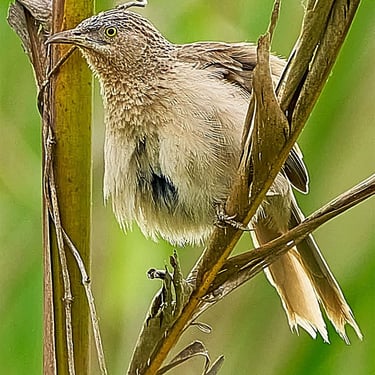
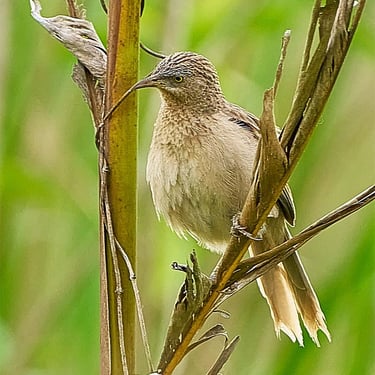
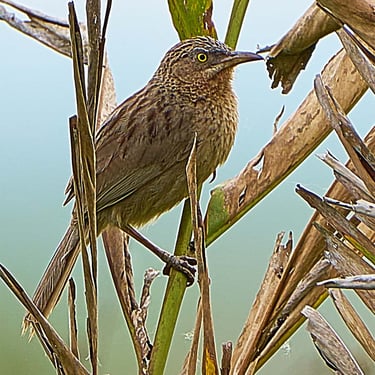
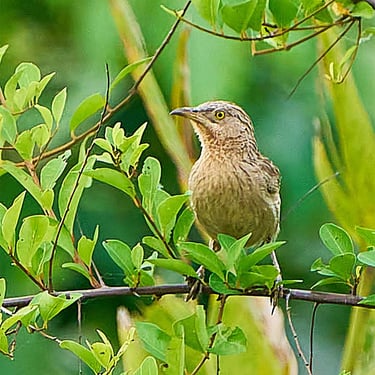
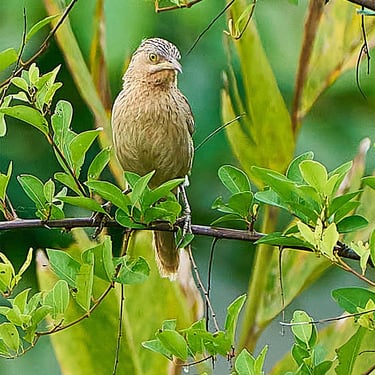
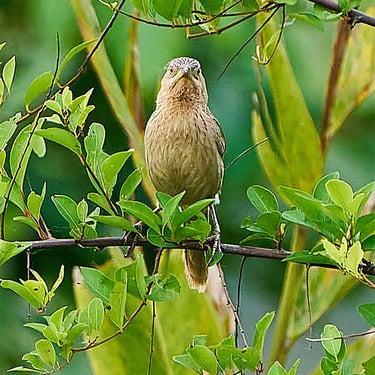
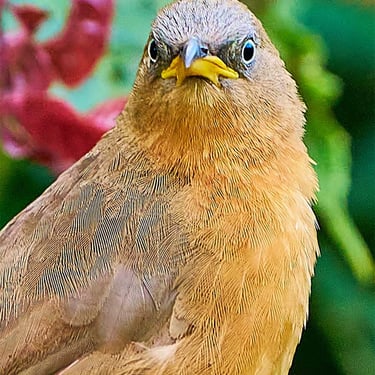
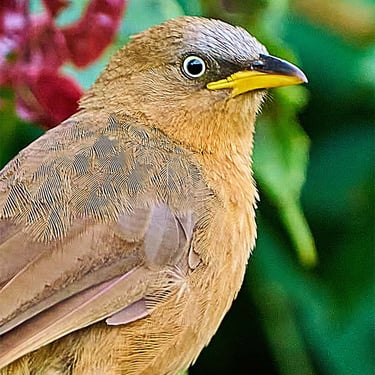
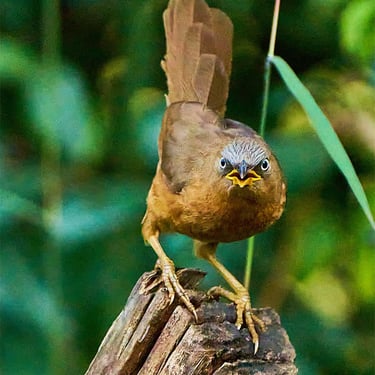
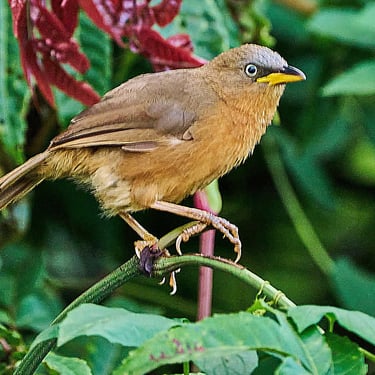
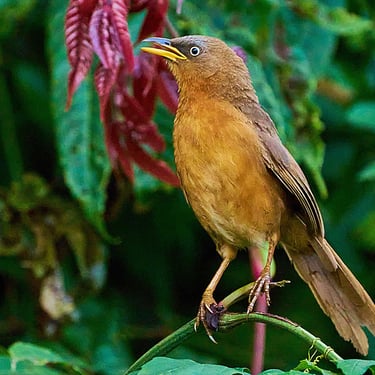
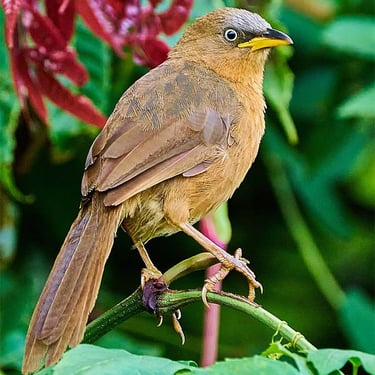
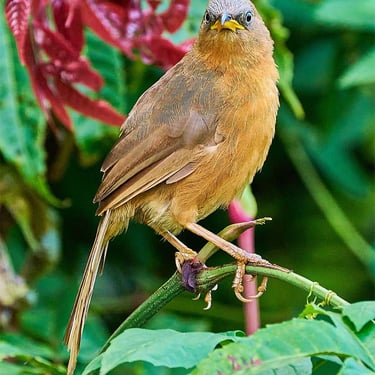
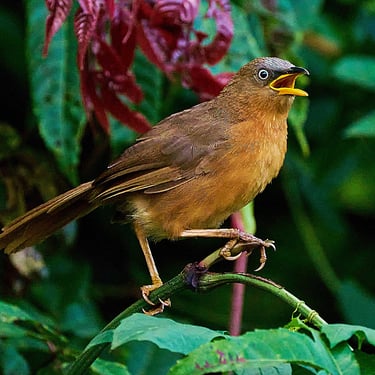
Pics : 1 - 3 = Jungle Babbler ; Ranthambore National Park | Pics 4 - 8 = Jungle Babbler ; Manas National Park | Pics 9 - 16 = Straiated Babbler ; Manas National Park | Pics : 17 - 24 = Rufous Babbler ; Koyna
The Jungle Babbler was the first bird whom I learnt to identify out in the forest in Ranthambore on my second real forest trip when I had the intent and camera kit for wildlife. He was unusually bold and new for me then. You don’t usually see these guys in the city and hence the name stuck for me I guess. I was so glad that I was pulling off bird identification then that I didn’t really care to get into the details of the name much. “Probably chirps a lot” is what I told myself to save myself from the embarrassment of asking the obvious question in all actuality but then, you don’t really know till you see for yourself. Well, now I do know that they don’t just chirp a lot. They chirp a lot and all together. Forget songs, it’s nonstop manic ruckus with these guys.
Babblers are common out in the wilderness, but not all of em. This post’s about the similar looking and commonly seen ones that I’ve encountered so far. Their naming and classification obviously had everything do with the ruckus that you hear around the bushes that they inhabit especially. The ruckus though isn’t limited to them alone. Bird bushes of other birds like Mynas are also known for loud ruckus that goes on throughout the day. It beats me why the other noisy ones didn’t make the so called Babbler criteria. But then not all the naming was done by the same people I guess. Beyond that, Babblers come in many sizes and shapes and with different personality traits. I guess it was just a lot more convenient for some dudes who wanted their books out to put all the noisy ones in the same group but the classifiers just didn’t foresee the discovery of so many of the noisy guys in the long run. In fact, during much of the 20th century, this family became what science guys now call a “wastebin taxon” which folks would use to classify birds whom they weren’t sure where else to put. So they’d just call it a Babbler if it was noisy. As the list of Babblers kept growing though, I guess it started becoming pretty apparent that such a common trait really cannot be the only distinguishing factor among species. The naming sadly had been done by the time the light turned on and the common names had been widely accepted and just as how the “Laughingthrush’s joke” sits squarely on the shoulders of classifiers of that time, this muck up with such a huge variety of different creatures all being named Babblers could not be altered by the scientific grouping of the different species separately later as there was no going back from commonly accepted names.
There are many kinds of Babblers out there today. Some of whom still are, some who technically aren’t anymore and many who probably never should have been called so and yet, remain so. What’s ironical about the whole situation from today’s perspective is that these days it’s pretty hard to zero in on these Babblers based on that identifying trait alone cause we just don’t have access to that ruckus usually anymore. They’ve moved their families away cause of the ruckus that we make. There’s much fuss about the Babbler’s babble as you can see and that fuss, is on us. It’s not like the Babblers care what we call them.
I finally got to witness the real fuss of a babbler colony only recently during my recent visit to Konya when we ran into a couple of noisy bushes full of Rufous Babblers and the whole thing finally pieced itself together for me after nearly a decade of seeing my first Jungle Babbler in Ranthambore. Oh there’s chatter in their bushes alright. After photographing a couple of these guys who we saw outside the noisy, babbling bushes ( Pics : 17 – 24 ), I just had to go back for a quick second look without a camera on the next morning too cause the bushes in question weren’t far from where we’d spent the night. What I heard again was multiple birds chattering nonstop just like the previous evening. Every bird in there was carrying out a conversation. Yeah, they babble and the name is apt and fits. The nonstop parallel babbling is obviously an activity that they indulge in only at home and socially cause when you do run into them in pairs or in small groups out on a branch or during a safari, they’re pretty quiet and wary of their environment. Home for these guys is obviously where the babbling is but just the babbling wasn’t reason enough for all of the species doing it to be in the same scientific group in the long run. The photos are of the males of the group who were out on seeing us around their colony while the babbling continued in the background of these photos. These guys didn’t back down and even followed us till we were well clear of the bushes in question. Dad duty’s pretty much all that I have in common with these guys but yeah, relatable and amazingly so. These birds are residents of India’s South West and are found abundantly along the Western Ghats.
The Jungle Babblers in Pics : 1 – 3 where the ones I saw in Ranthambore when I learnt their name. These guys were begging at the lunch enclosure where vehicles park for a break and refreshments while on safari. They’re the most common of the Babbler bunch and easily found in most of the woodland areas in the country. It’s actually ridiculous to watch such a mean and strict looking creature hang around for food scraps but then the poor dudes just don’t know how mean and angry they look to us obviously. Although mean looking, these guys are softies who love nothing more than a cuddle as you can see in Pics 10 – 12 which were taken in Manas National Park. I saw the Striated Babblers ( Pics : 9 – 16 ) a day after seeing the Jungle Babblers in Manas. Although similar looking to the former, I was pretty surprised seeing these guys’ yellow eyes. They’re usually found in the north and north east of the country and along the Himalayas.
Hearing the fuss around that colony of Rufous Babblers in Koyna had me very curious to be honest. I think I’d really like to watch the ongoings of a colony like that for a longer period. I have a feeling that it’d be pretty interesting. Well, these three species are not all of the similar looking Babblers seen around India. There’ll be chances for the observation of the colony now that I know what I’m after. Let’s just hope that I’m in a position to grab the chance when it does present itself. Well, here’s to hoping.

© 2026. All rights reserved.