
The Piper On The Ridge - Common Sandpiper
Catching The Common Sandpiper On A Break
BIRDS
Aniruddha Bhattacharya
6/23/20265 min read
Shri Vijayapuram
Bird’s names are messy to say the least and I know that I’ve ranted on about it in my posts here. They’re so messy that I’ve seen many a photographer stay away from the genre of Bird Photography altogether cause of the confusion. Well, what do you expect when the same subject spends different parts of the year in different regions of the planet where different people have given them different names to start with? Birds migrate or move around locally for their needs which suits them just fine and they neither know nor care about how we name and classify them. Their’s is a simpler life where they just know where they’re going and when without language and they do just that. As far as we’re concerned, we’re still guessing the how’s and why’s about these guys while they keep on being the beautifully free creatures that they are. Humans have tried to govern these beauties and failed at it so comically time and again despite all our so called technological advancements. Reading about those attempts is hilarious actually and a lesson in how most creatures will choose death over prolonged subjugation and that perhaps also teaches us how life in general works. It's a lesson that the dudes selling bombs don't seem to learn but then those guys are probably more worried about stock clearance and the manufacturing of more bombs I guess.
As people started to travel, they did try to give common names to these former Dinosaurs but the process added to the mess when the so-called classifiers rushed the classifications without complete data and indulged in self-grandeur and comedy by assigning their own family names or comical names to the subjects. Scientific classification came along eventually and grouped these avians into specific groups based on a more scientific system but the common names had been accepted by then and so now you have a system that takes a little getting used to when you start on the journey of discovering these creatures. It gets easier and I can vouch for that because with time you can just see the different physical traits that separates the different kinds of birds. With time you can easily tell the difference between a flycatcher and a warbler but yeah, it takes some work and interestingly, I think at the end of the day, just that is a huge part of the reward of the game for us who are into it. You have to visually recognise the family with birds and pretty much ignore the common name that someone might be blaring into your ear at the start and then relate the same common name that you just learnt to that family and you’re set. Yeah, it’s a bit of work but then there are 11000 species of birds on this planet and each with numerous sub species. It wasn’t an easy game even at the start Sir.
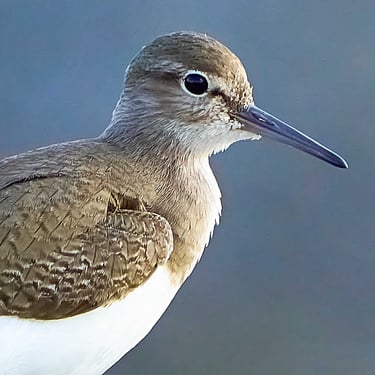
The structure of the classifications of these creatures has evolved over the years pretty much like the evolution of the creatures themselves and evolution I guess is just always a little messy just like my subject in question. The Common Sandpiper is named so because he’s a shore bird and often seen on sandy beaches. The ‘Piper’ bit is a reference to his high-pitched call and I guess that his bill does look a little like a flute upon close scrutiny and this little bird is pretty much the flag bearer of a huge family of over 100 species of birds that evolved from the same parents a very long time ago. My guy is the most commonly found Sandpiper while his cousin, the Eurasian Whimbhrel who I wrote about in “Making The Chance Count” is a larger and rarer sighting around India at least. The birds in this family called Scolopacidae are all waders and they come in different sizes and with different features and habits which have developed because of different needs in varied landscapes. So, how it works with this family of birds (kinda like Parrots and Parakeets) is that they’re all Sandpipers and any Whimbhrel is also a Sandpiper, as is any Curlew. But the Common Sandpiper isn’t a Curlew or a Whimbhrel. You get? When you see enough birds, I guess you just know which families could be a match for your guy and then you just follow that track to identification with help from Encyclopaedias and Bird websites. There’s no way I’d be able to figure these knots out without the internet and the process of seeing and photographing them definitely makes the comprehension easier.
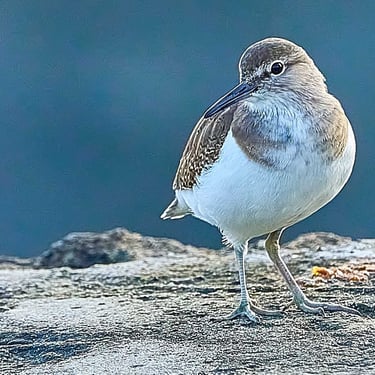
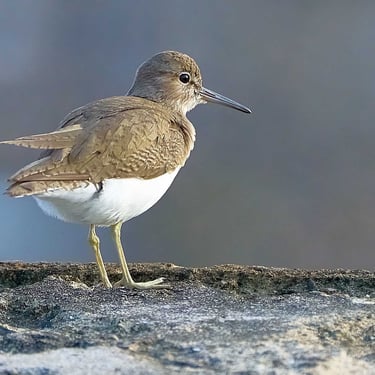
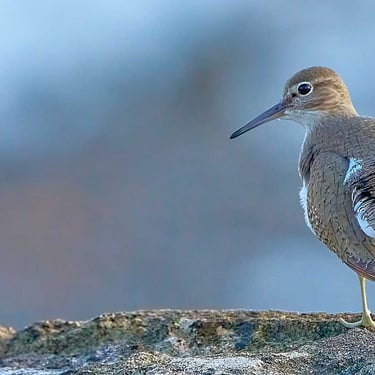
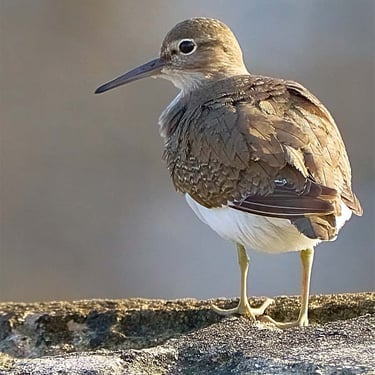
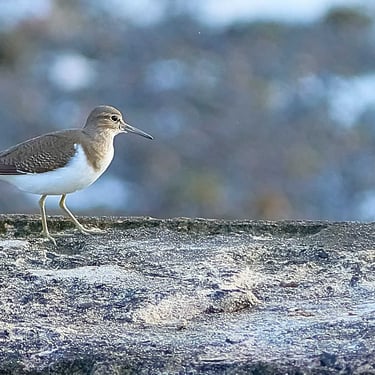
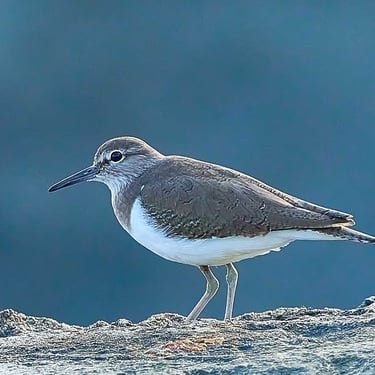
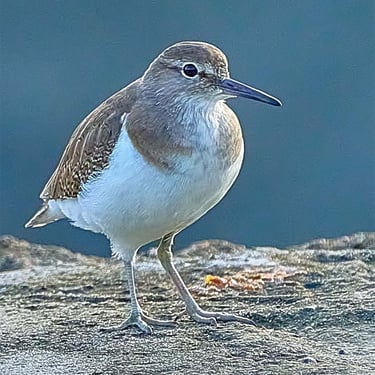
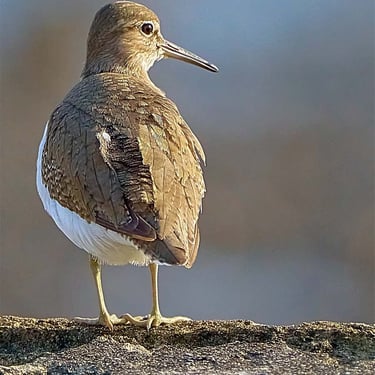
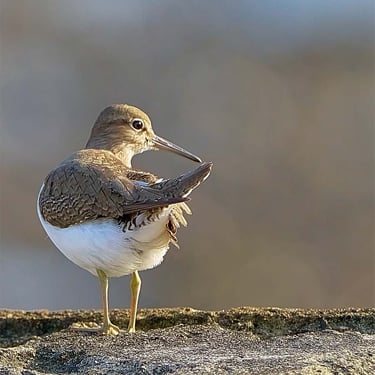
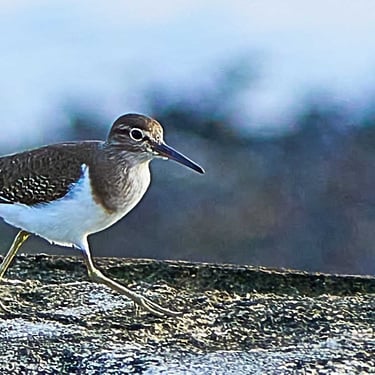
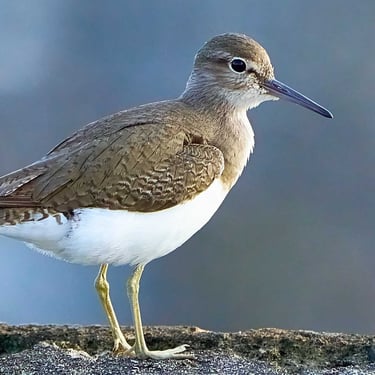
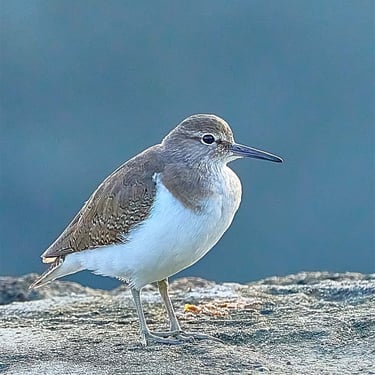
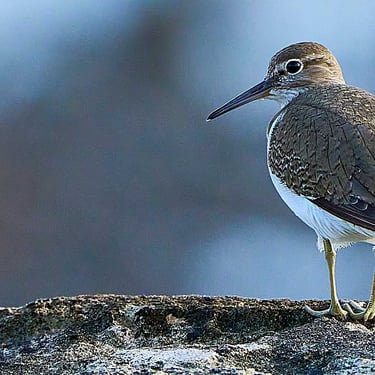
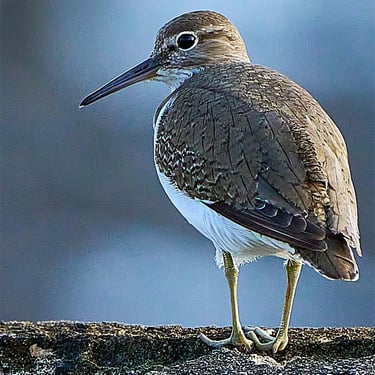
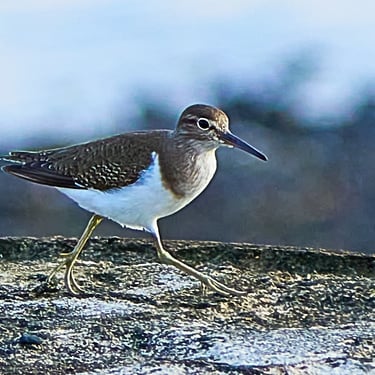
Sandpipers in general have developed a high density of touch receptors on the tips of their bills to better their chances at tactile foraging. Their beaks can feel a lot more than other bird’s and that’s why you’ll often find them continuously sticking those bills everywhere they roam. Finding my guy in these photos was pretty much the exception to the rule and that was what got me excited about this sighting cause he was seen here on a ridge above the sea and out on a stroll. He was taking in the scenery pretty much like Mani and I who were enjoying a snack in the car while watching the sunset after a day of birding when he walked into the scene in front of us. Id seen the Common Sandpiper all over and from Assam to Africa but never like this and although my subject wasn’t uncommon, his behaviour and the setting just grabbed my attention enough for me to get the camera and get off the car. This little guy looked like he was there for the sunset and I guess that’s how Id like to remember this sighting anyway. These guys are pretty easy to photograph out in the open and Aperture Priority suffices with them cause their movements are pretty relaxed and unhurried. The problem with them in flight is that the white isn’t usually easy against the sky on such small subjects. These guys can get upto like eight inches and that’s pretty small for clear pictures of them in flight and I’m just a sucker for details on my subjects. Maybe I’ll get lucky with a take off with one of these guys someday but yeah, that’s probably the best hope for a clear flight picture of the Common Sandpiper as I see it right now.
The Common Sandpiper is a very common and supposedly unremarkable bird. Most don’t usually give it a second glance even when it’s encountered out and about. Thing is though that this actually remarkable bird breeds all over the North of our planet and spends the rest of the year on the South of it. All of it except Antarctica and the deserts. Yep, their range and sphere of influence extends to the whole planet which they have been traversing since before humans even existed. These guys have successfully fought off extinction for a lot longer than most and done so by not drawing much attention to themselves by being overly dramatic or flamboyant.
My run in with this Piper On the Ridge was special for me cause I hadn’t had a chance to watch this species from this close before this meeting. The sighting gave me better details on their images and the opportunity to catch this species taking a break from its usual routine which is seen in most pictures of the species. The light from the setting sun helped some of the images a lot and the photographer’s dance with this particular subject was a lot of fun as you can see in some of the poses that my subject threw at me. Sure, the classification of the species is a little complicated like with many bird’s species but as with all things that we learn, once you know, you can’t go back and in the long run, the knowledge gives you a little happy in your tummy. Getting a new species’ classification right on the first sighting is a very satisfying feeling and I guess that it is one of the reasons why so many people get hooked on birding even without the involvement of the camera. Knowing these confusing yet amazing creatures and their lives is such a joy in itself and a reminder that the admiration of nature is natural because you are nature as well.
© 2026. All rights reserved.