
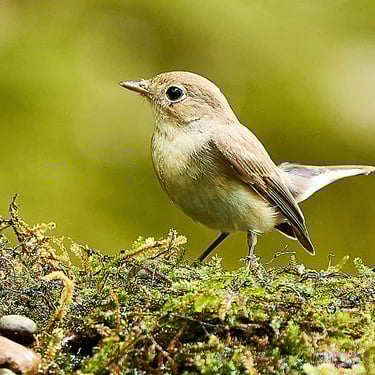
The Show Stopper - Female Red Breasted Flycatcher
The Best Photo Opportunity Of The Year So Far With The Female Red Breasted Flycatcher
BIRDS
Aniruddha Bhattacharya
12/6/20256 min read
Mulshi, Maharashtra
This beauty right here had probably just arrived recently from Western Europe for the winter when I saw her at Mulshi in October. She isn’t a resident. Her kind spend their winters in India and Pakistan and this sets this species apart from other passerines from Europe who prefer to winter in Africa. They start their journey alone or in small groups from August onwards usually, travelling at night and moving by day only when food is scarce. Their spring migration will start in March again and they will return to their breeding grounds by May. The males of the species usually migrate earlier than females to lay claim to ideal territories. As our planet has started getting warmer, the males of most migratory birds have hastened their migratory return and this is true for the Red Breasted Flycatcher as well. Rare vagrants of the species have been recorded at Iceland, Ireland, The Faroe Islands and Sudan as well.
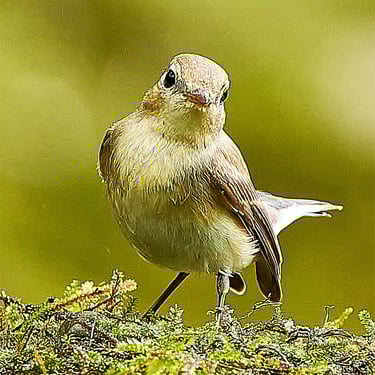
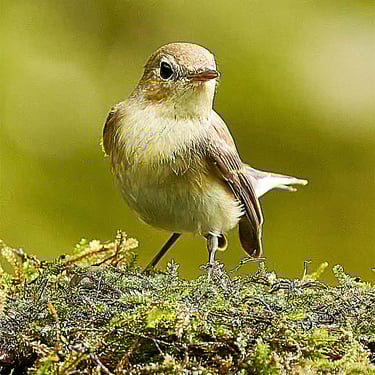
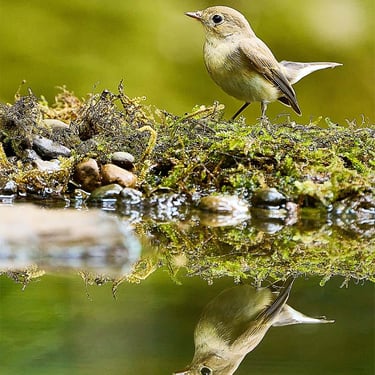
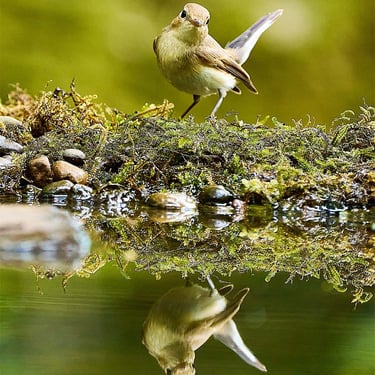
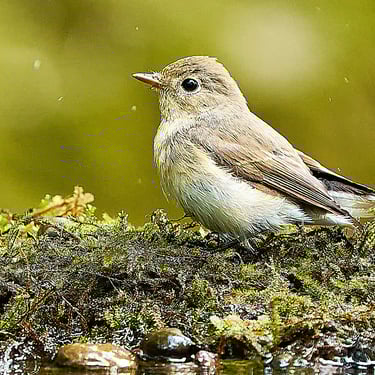
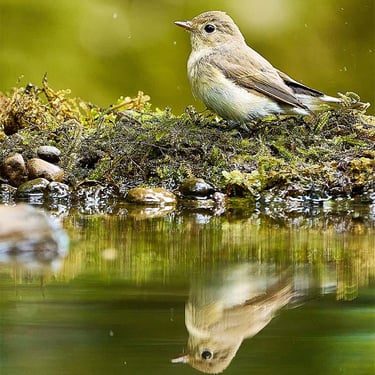
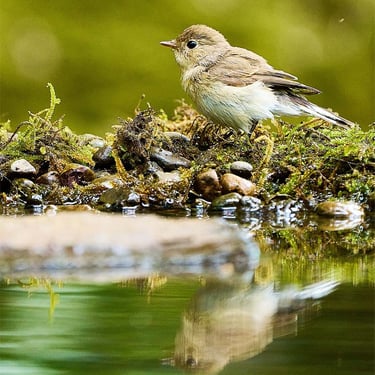
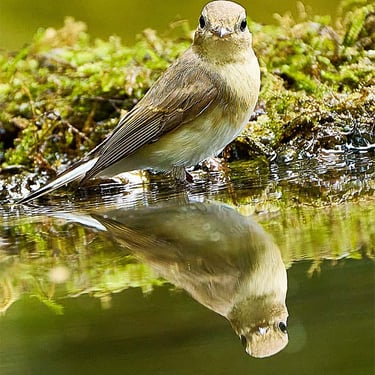
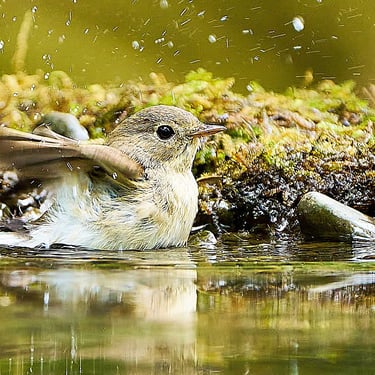
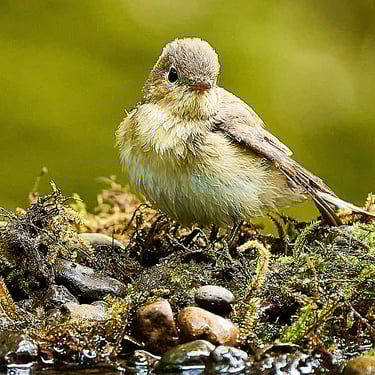
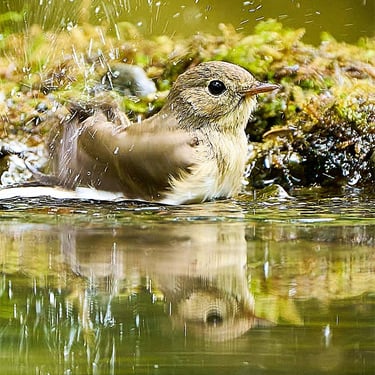
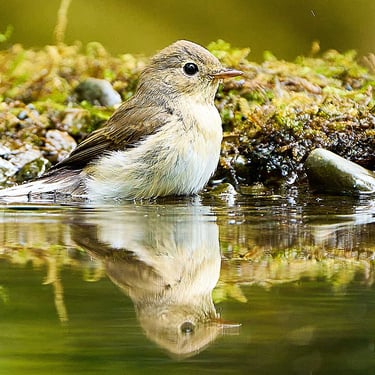
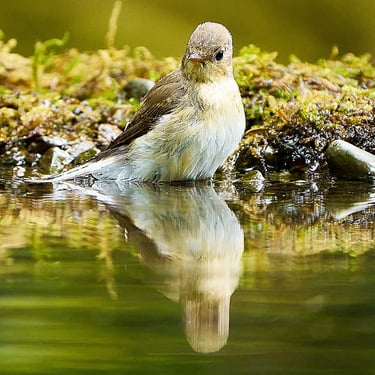
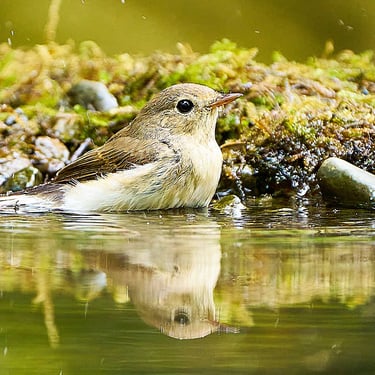
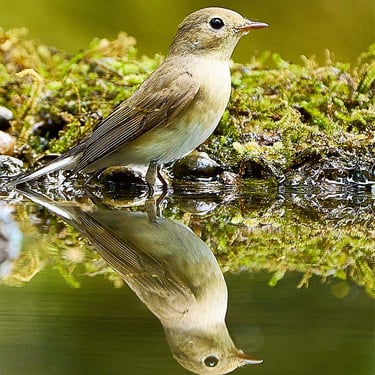
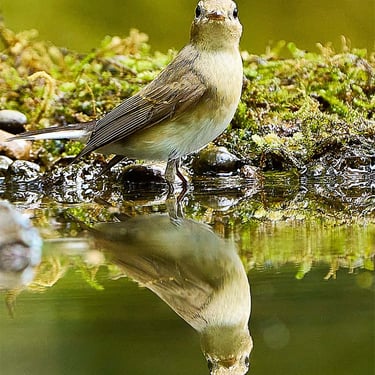
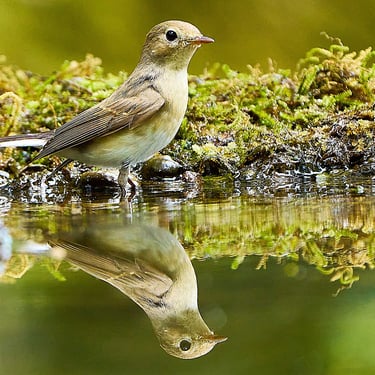
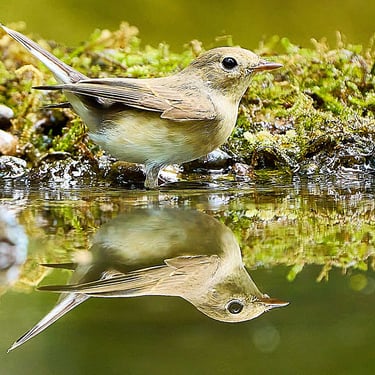
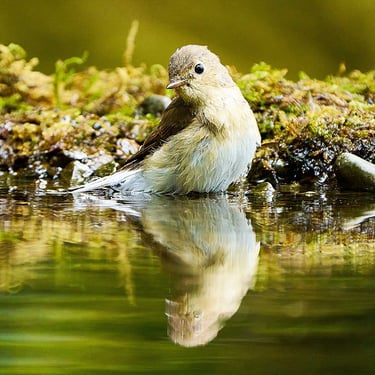
I’ve only seen one bird of this species so far and she’s made quite the impression. Just look at her poses! What a show stopper? She fluttered into my frame at the watering hole at around 1 pm and went straight to the water. It’d been 10 minutes or so since the larger resident Red Spurfowls had left the scene and I suspect that her arrival at that time was probably by choice cause she’d have the watering hole to herself then. She wasn’t back for the evening cool off that most residents of that location seemed to enjoy right at sunset either. The ones who came did it communally or right after each other and in a hurry ( Ref : “Coloured Like Lightning.” ) Such a pity too cause I was hoping on seeing the more colourful male of the species as well which didn’t happen at all on that day or the next. It rained that night and I didn’t see her or any other birds of the species the following day.
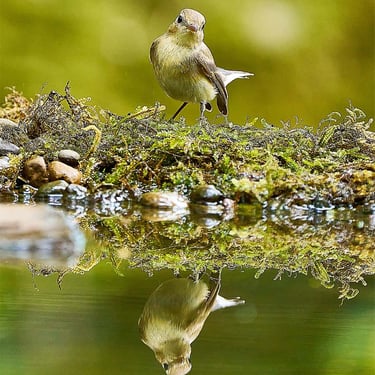
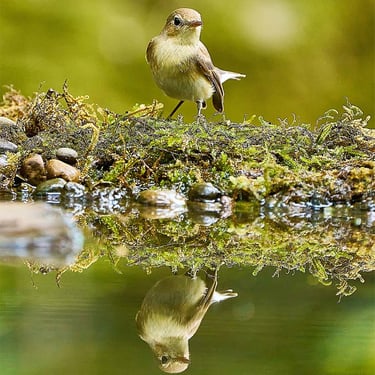
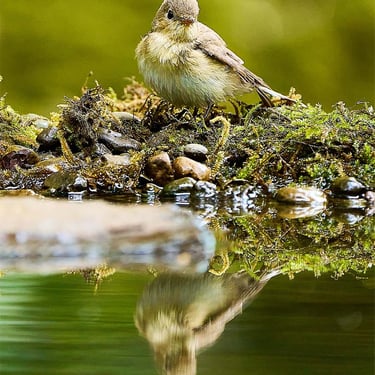
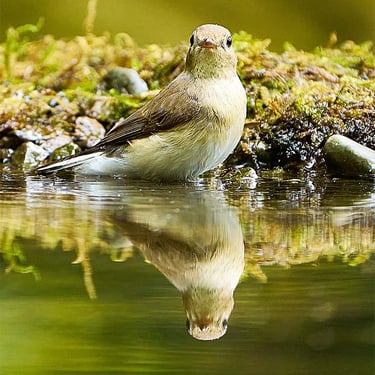
Considering the light was a crucial part of my decision to visit Mulshi in October because you need the right light to bring out the intricacies of smaller creatures. You can swing it a lot more with camera adjustments and post work with the bigger beasts. I’ve learnt that autumn and winter are the ideal seasons to be out for pictures of birds as the skies finally clear up after the harsh summer and cloudy monsoons. The migratory birds also come in at this time and you encounter more subjects at the locations which host your subjects. Well, these photos are the best that I’ve taken of a reflected small subject and I just have to write about the opportunities that reflection presents you with when your subject is close to water especially after this sighting. It really helps a great deal that I had such a beautiful, bold model to bring it all together with.
Everyone always tries these shots, yet very few succeed. In fact, I’d tried my hand at reflection shots of birds numerous times before and I‘ve learnt through failure to not even bother now if the water is turbid or disturbed. In fact, I’ve never succeeded as well as this set of photos with regards to clearly reflected small subjects. My numerous failures have taught me that you need the water to be still to score a good reflection shot and that, like many things in this game isn’t in your hands. Multiple other environmental factors affect ripples in water and the clarity of reflections in water. Add to that, the complexity of the effect of light on what’s behind the subject on the reflection and the ideal conditions for these photos are something that just happens when it does. There are no guarantees and you can’t engineer it in nature. I’m just glad that when the opportunity did present itself for me, I had this beautiful character in front of my lens who was throwing these gorgeous poses at me all so naturally as well. It just comes together sometimes and these are the “gold” moments in this game that keep me in it.
You notice the scene when the subject enters it and there’s an immediate quickening of the pulse when you spot the opportunity. Everything changes in the fraction of a second and the adrenalin fuels your building urgency to make hay cause you know that the rarest sunlight is upon you and it won’t stay for too long. The time dialation. Oh that fun. Yeah ! This is why we do it. A good sighting that seems to last half an hour or more in my head turns out to be 10 minutes or so upon review of the photographs usually. I squeezed the hell outa my shutter during this sighting because I’ve learnt to not miss the chance when Mother Nature’s smiling at you.
I couldn’t have asked for more. The light was right, the whole reflection was clear and with a consistent background with bright patches away from the subject’s reflection. There was no one else there to scare off my little model and I was finally nailing reflection images of a very small 12 cm bird. I’ve pulled this off with mammals like tigers before but the ripples matter less with the big guys and their size will dominate any background clutter on the reflection. This was on my bucket list and was one of the situations that I had been hoping to be in when I had planned my visit to this location. I’ve finally done it once at least. I got lucky with the other benefits that water has on lighting numerous times that day and the next at this location but never as much with reflection which isn’t surprising really. Once in 2 days is enough for something you haven’t achieved before I think. It’s skill on chance for this. There will be other chances if I stay at it. I just hope that I keep meeting subjects who take on the responsibility of glorifying the occasion like a runway ramp like this Female Red Breasted Flycatcher who I’ve named “The Show Stopper”. Just look at her !
My Show Stopper posed her confident poses, had her bath with a content smile of sorts on her face and exited the watering hole straight off the water when she noticed that a Malabar Whistling Thrush had landed nearby. Although these guys are much smaller than the Indian Paradise Flycatcher, they feed similarly and hence the common name. These birds feed on the wing and deploy the sallying technique where the bird launches and returns to the same perch repeatedly while trying to grab insects off the air. This is the same hunting technique that Bee Eaters use as well, which I wrote about in “Catching The Flying Catch.” Her manner of exit isn’t surprising really because these birds are very wary of predators. They are known to even abandon their clutches when disturbed. I guess it also explains why she was there when she was and her choice to be at the water only when she could have the whole place to herself.
I mentioned a few posts ago that I’m in this game more for good pictures than for a long list of recorded species. Well, this adventurous hobby teaches me about my place in life on Earth. Life isn’t just what you live. It doesn’t just belong to you alone. Life is a shared state of simultaneous existence among the common and uncommon inhabitants of Earth across barriers of species even. The adventure for people like me is tied to the camera as much as it is to the difficult travel, the new human connections and varied living conditions that we have to adjust to in the hope of trying to freeze or record a beautiful moment that depicts life unrehearsed, raw and in its natural beauty. The camera helps us see life and once you learn you cannot stop. The thrill of the adventure starts with the recognition of moments like the start of this sighting when you just know that “It’s on” and you might just have chanced upon a moment that depicts the true beauty of life to you and then it’s up to your skill to nail it for yourself. The process of the nailing of it is the climax of the thrill. Different creatures come with their own behavioral and locational challenges which in turn bring new adventures, thrills, climaxes and pretty soon you inadvertently start seeing the patterns that life weaves. Seeing how the threads of that weave connect us all is perhaps the only true reward in the long run in this game. The making of the stash of pictures that make you smile is the short term reward that keeps you going back for more and seeing more of the big picture as a result. The short term beauty and long term mind blast combine together for appreciation of the biggest miracle in this universe which is life. Like everything, you just get it more when you’re in it and this beauty is truly the most beautiful for me at least. Take my show stopper for instance, she belongs to a pretty common species who isn’t chased after usually but those poses along with the reflection and the right light all together make for such a uniquely gorgeous moment of life that I feel so privileged to have witnessed and capped.
I made quite a few pictures that I’m proud of in Maharashtra this year but this common little bird gave me the best that I’ve made so far this year in my opinion. What a Show Shopper man !
© 2026. All rights reserved.