
Ye Bulbulein Humari II - The Himalayan & Andaman Bulbuls
The Different, Yet Similar Himalayan Bulbul & Andaman Bulbul
BIRDS
Aniruddha Bhattacharya
12/23/20254 min read
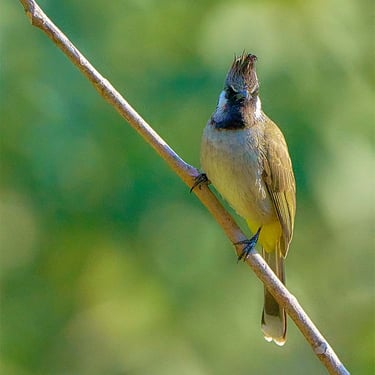
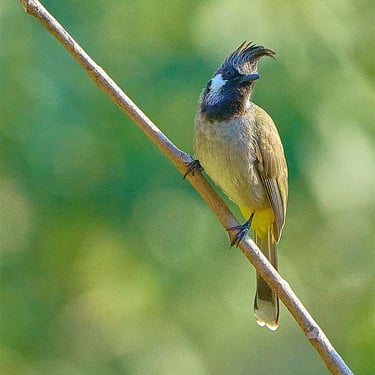
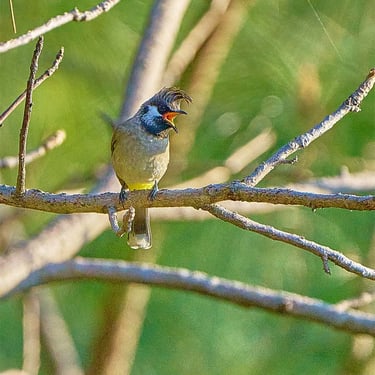
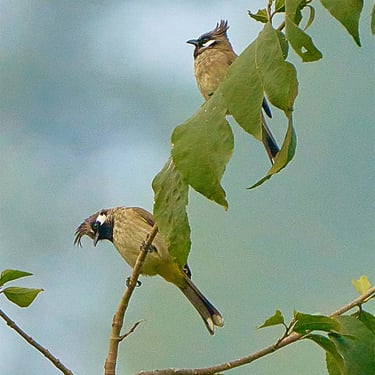
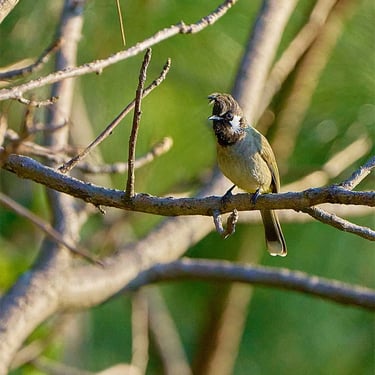
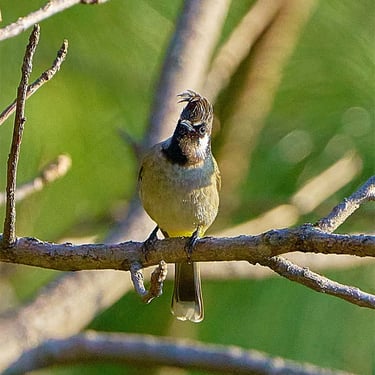
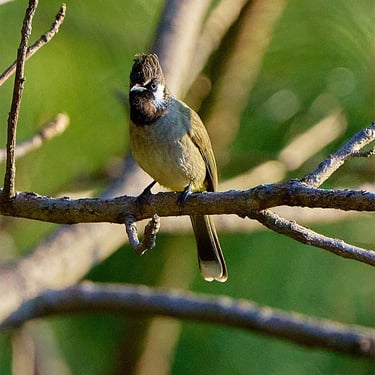
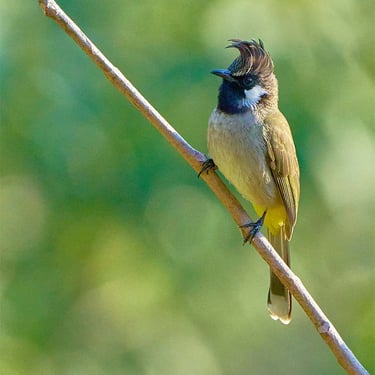
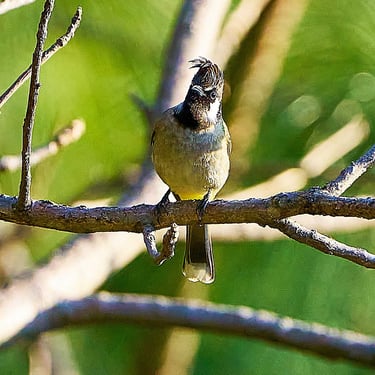
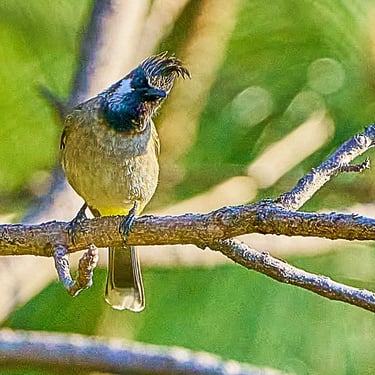
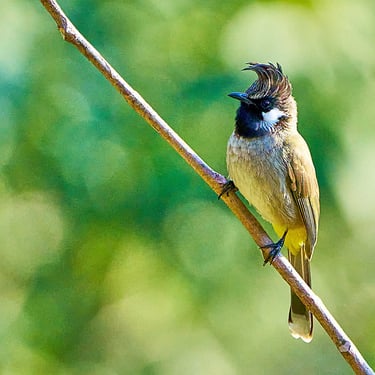
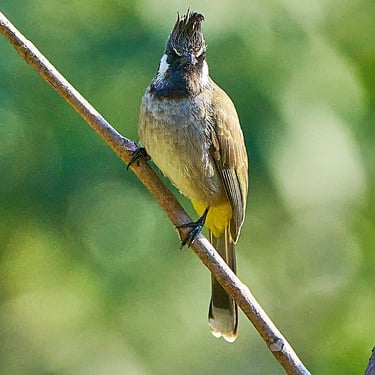
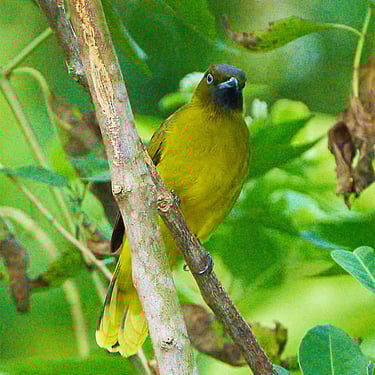
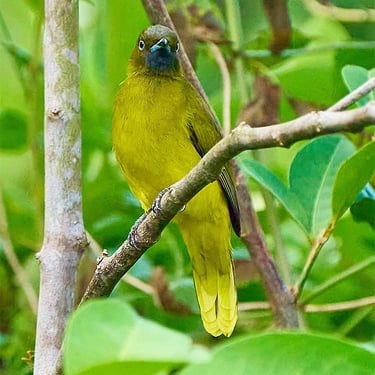
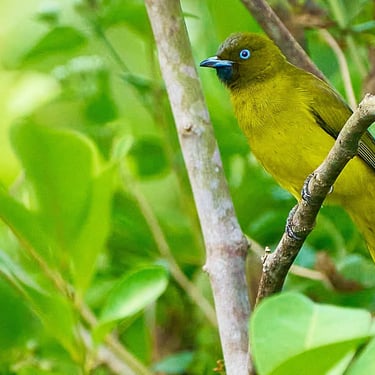
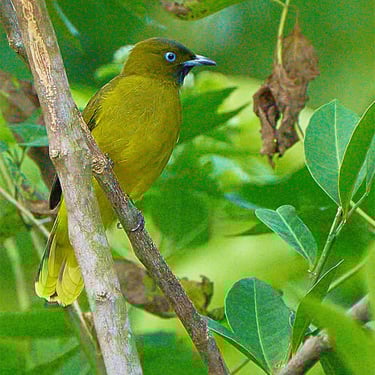
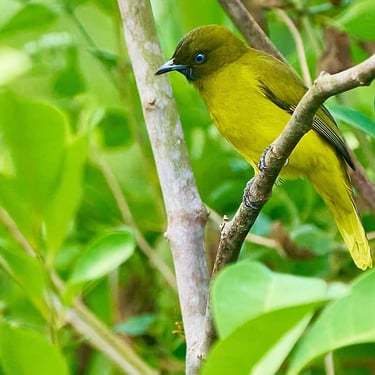
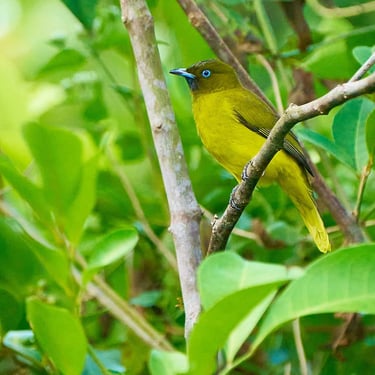
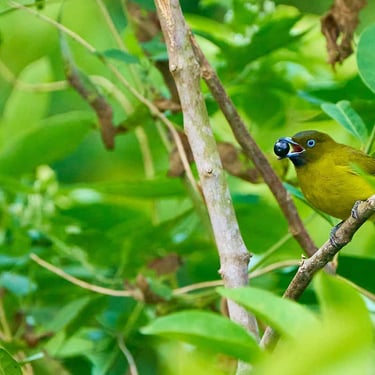
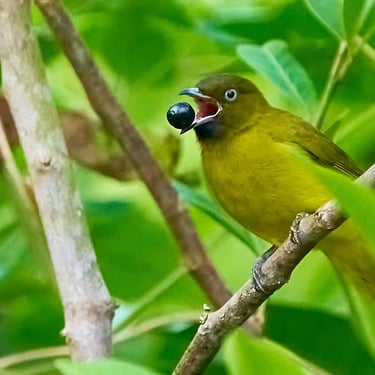
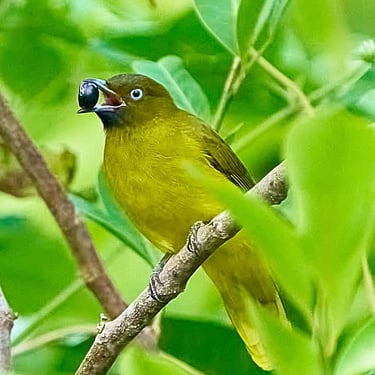
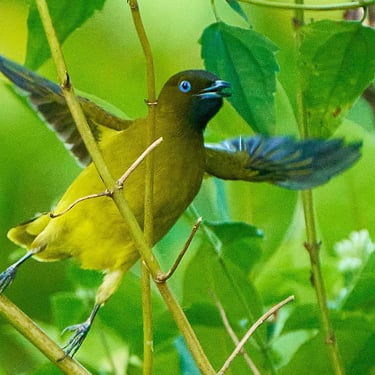
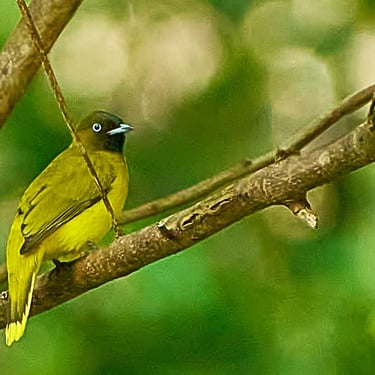
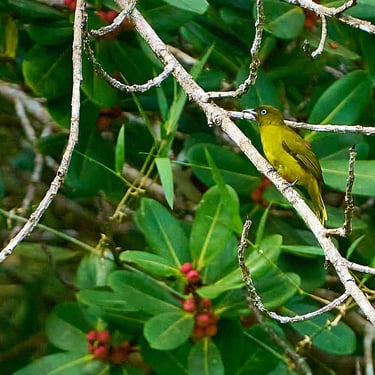
Pics : 1 - 12 = Himalayan Bulbul ; Sattal | Pics : 13 - 24 = Andaman Bulbul ; South Andaman
Getting around to write “Ye Bulbulein Humari I” about the common Bulbuls found around the country took me a while cause I didn’t have decent pictures of the Red Whiskered kind up until recently. Well, there are 161 kinds of Bulbuls in all and I’ve only seen a couple of other kinds, in two completely opposite eco systems, on two ends of the country so far. The Himalayas up top and the Andaman islands down below both have local variations of these beautiful and sturdy birds.
I remember running into the Himalayan Bulbul the day I landed in Uttarakhand and even before I’d found my hotel in Sattal. These guys don’t have an issue with Humans in those parts and it’s beautifully mutual with the folks there. In fact, watching and feeding birds during morning and evening walks is a pretty common practice there from what I saw. I remember a couple of tourists casually greeting another couple out on a morning walk and complementing the locals on their choice of living among such natural beauties while I was photographing the beauty in question that you see in Pic : 3 nearby. It’s pretty cool when you can just talk wildlife with random strangers that you run into, by the side of the road, admiring the same subject without it being a wildlife reserve. Yeah, Sattal ‘s pretty awesome like that. These birds are pretty similar in many aspects to the red whiskered kind that we find in my home state of Assam. The body shape’s similar as is the presence of that crest which in their case should probably be called a Mohawk really. They look pretty bad ass in my opinion and I recon that it’s the combination of those white eyebrows, tall Mohawk and that distinct colour combination that gives me that impression of them. They’re gorgeous and one of the most dominant and common species of bird found in those mountains during the winter for the same reasons probably that make their cousins like the red vented and whiskered Bulbuls successful a little further south of the country as I wrote in “Ye Bulbulein Humari I”. If those Bulbuls were easy to recognize by their red vents, these guys are just as distinct with yellow vents which totally sets them apart in India along with the other distinct features like the huge crest, white eyebrow and distinct colour combination.
I was almost a complete novice at bird photography when I saw these guys and pretty much most of what I know about photographing small and fast little birds started taking shape for me on that trip to Sattal a couple of years ago. The sun shines bright when it does up in the mountains and I was pretty lucky in catching the details of these guys on a couple of mornings thanks to that. Not as much during the evenings though and that’s the reason those photos aren’t on here. Shutter Priority with at least 1/2500 Shutter and Auto ISO maxed at 10K is my standard starting point with regards to camera settings for small subjects now and it’s stayed mostly around that since the Sattal trip. I prefer Shutter Priority over Manual cause it’s easier to just have one dial to concentrate on when speed’s what it’s all about with these small subjects at a considerable distance. Their little movements have big impacts on the whole image. My lens stays between F 5.6 and 6.3 so there isn’t much option for play there really and not like getting to F14 is ever needed for wildlife when you can get to such high ISO settings these days.
I was a little better with birds and thought that I knew a little bit about Bulbuls by the time I got to the Andaman Islands the next year and there, the Andaman Bulbul fluttered straight into my frame one morning and he shattered my assumptions on their kind. Dude didn’t even have a crest. So much for assumptions with birds, really. There are 22 species of Bulbuls seen in India and they’re not all crested. My friend and guide in the Andamans, Mani taught me then that it takes a lot more than just looks for a bird to be called a Bulbul and includes the shape of their nests among other things. Well, I decided to leave those details to the ones who are more into the science side of this hobby and proceeded to get what I was after which was the pictures of the only guy of the species that I saw in 5 days around Shri Vijayapuram. Pity it was an overcast day though. The Andaman Bulbul’s such a pretty bird with that bright blue in it's eyes. I really want another go at this species. I found that the thing with these guys that sets them apart for me was that they weren’t as bold and outgoing as the other Bulbuls that I’d seen. They’re shy in comparison and not as successful either given that I only saw this one guy you see here in 5 days at a location that’s just amazing for birds of all kinds. Well, it’s obvious that not all Bulbul species are as successful as the Himalayan, Red Vented and Red Whiskered Bulbuls. The bold and adventurous side of the successful ones probably makes them behave the same way with regards to their choices in diet, habitat flexibility and urban adaptability as well. So in actuality, the Humans who are calling Bulbuls invasive right now really did catch the short end of the stick cause they probably just took the wrong ones among the lot home. Oops ! It turns out that it’s these aggressive ones among the lot who also eat fruits of invasive plants and in turn help in the distribution of those plant species as well. Not an ideal situation in any way but then it’s not any Bulbul’s fault. These idiocies are usually committed by Humans and it’s on us all the way.
I think I’ll be in a much better position in my understanding of Bulbuls when I chance upon a few other kinds of Bulbuls who aren’t as aggressive and popular as the Red Breasted, Red Vented and The Himalayan Bulbuls. Those three species along with their Yellow Vented cousin from South East Asia probably make up for most of the Bulbul population of this continent but they don’t paint the whole picture between them alone. I have my eye on a couple of kinds that are said to be found close to home but we will just have to see I guess.
© 2026. All rights reserved.