
A Dark Knight Rises - The Black Kite
The Recently Successful Black Kite
BIRDS
Aniruddha Bhattacharya
4/28/20265 min read
Guwahati & Pobitora Wildlife Sanctuary ; Assam
Every time I see one of these guys my head starts to play Deep Purple’s “Black Knight”. The whole thing is very irritating cause I don’t fancy such old tunes anymore but it is what it is and the Wooo Oh O Oo just won’t stop till the sighting ends man. What makes things worse is that I have been seeing a lot more of these guys out and about no matter where I go as well. My affliction obviously has everything to do with The Black Kite’s name which rhymes with the name of the song. Their growing presence though, has also been noticed by pretty much everyone who has been with me on any of my sightings of the species over the last few years. There’s been an explosion in the number of Black Kites in India and as it turns out, we are responsible for it.
One of my first posts on here was about how “We Killed Off Vultures & Our Own Died” where I discussed how the use of certain antibiotics for cattle in India and Africa has pretty much killed off a huge number of Vultures who would feed on dead cattle and how that in turn led to human deaths. My other post about Vultures, “The Bald & Beautiful”, highlights how Vultures have evolved as specialists at scavenging but scavenging for resources is practised by pretty much any animal with the opportunity to do so. The large numbers of Vultures engaged in the act had been controlling the monopoly on it that their kind had established over centuries of specialization on it. I’ve also written about The Black Shouldered Kite and The Shikra and those posts have discussed how the world as it is today, is better suited for smaller birds of prey in comparison to larger Raptors and that can clearly be seen in the growing numbers of these species that hunt and scavenge around Human settlements in comparison to their larger cousins who are restricted to the limited wilderness available these days. Well, all of those factors have to be kept in mind when we look at the current population explosion of Black Kites in India and I can perhaps best explain the cause by borrowing from market economics when I say that if there is a space in the market, someone is bound to recognise that and start developing competence to cater to it. It’s the opportunity that every entrepreneur is on the look out for and just like how we see so many affordable alternatives to big name brands coming up to cater to gaps in the market that the big boys can’t target for whatever reason, the gap in the aerial scavenging business caused by the disappearance of a large number of Vultures in India has been filled by the Black Kite.
We rarely find wild animals with a growing population trend these days and yet the number of Black Kites in India has grown exponentially over the recent past and cities like Delhi now reportedly have around 20 nests of these guys per square kilometre. What makes things worse for the Vultures is that although smaller, these guys hang in bigger groups and with their lowered numbers, the Vultures are no match for them when they are mobbed and chased off their former territory by the usurpers. It’s a hostile take over and the new clean-up crew of the garbage dumps rule with greater numbers. The Black Kite may not have been born bald and ready for business, but if things stay the way they are, the species will become the dominant scavenger in this country by overthrowing the vulture in all totality soon and despite our meagre efforts to undo what we have done to the Vultures. Kites are better suited for urban life, their smaller size helps them in getting into tight spaces even without a bald head, they are not as threatening for Humans, they tolerate the medication that kills off the Vultures and they are pretty flexible about building their nests in urban structures and inside city limits as well. These guys saw a gap, they quit hunting as much, became scavengers and moved in where the action was just like the Jackal did, which I was talking about in my previous post. See, it’s all causality and evolution baby and it’s happening right in front of our eyes.
Moving to the city comes with quite a few other perks for the Black Kite. They’re not in competition with larger raptors like Eagles who they have to skirt around in the wilderness. Cities are warmer and better suited for making babies and they literally have no predators there to be wary of. There are plenty of high vantage points for them in cities to keep an eye on everything so that they can choose when to hunt other city dwelling animals like rodents or to head to our waste sites or markets to see what they can find. Their cousins the Black Shouldered Kites have migrated to the city outskirts as well but those guys have retained their ancestral preference for hunting over scavenging as I wrote in “Urban Guerrilla”. Those guys mostly hang around the city edges and have not moved in as much as their all black cousins who are filling the gap left behind by the absence of Vultures and it’s not like Black Kites have completely given up hunting for scavenging in an exclusively urban setting either. They are still present in the wilderness as well and are often seen in woodlands close to the city which provides a life with more options for them. Like I said in my post about the Black Shouldered Kites, Urban survival needs the equivalent of the assault rifle in comparison to the larger machine guns and these birds have that flexibility in comparison to larger Eagles and Vultures.
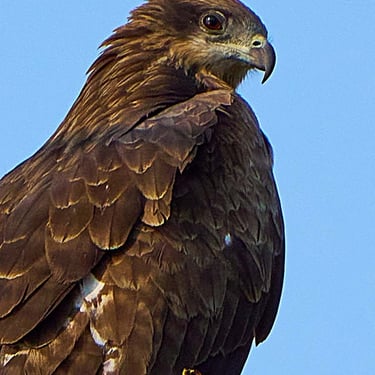
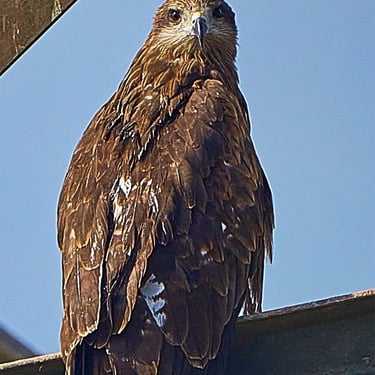
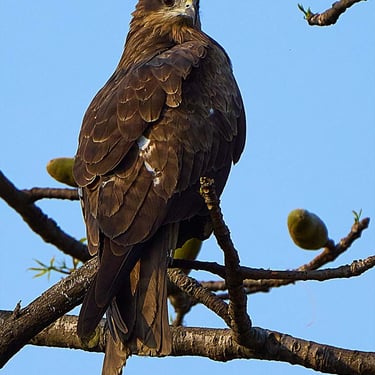
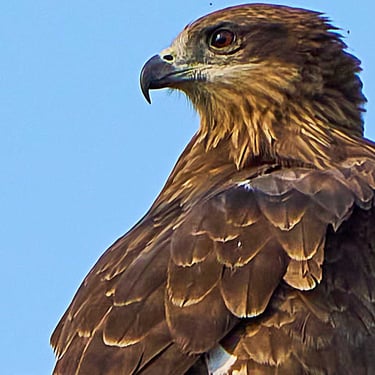
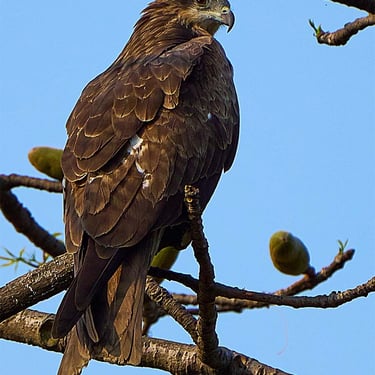
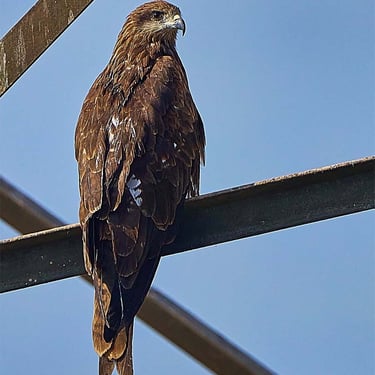
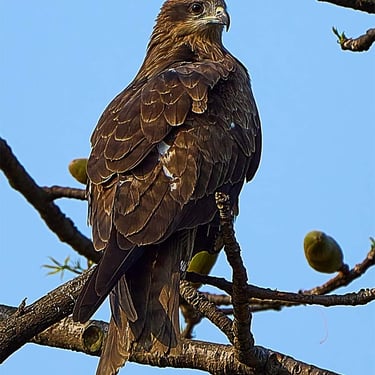
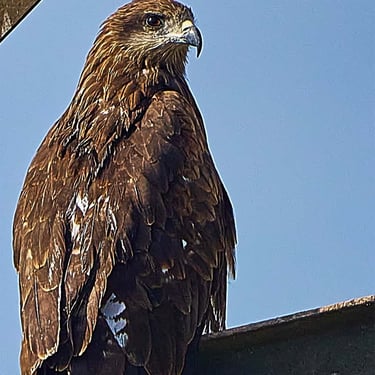
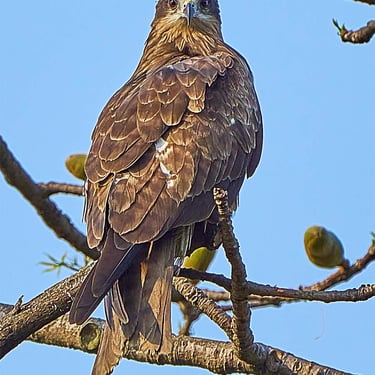
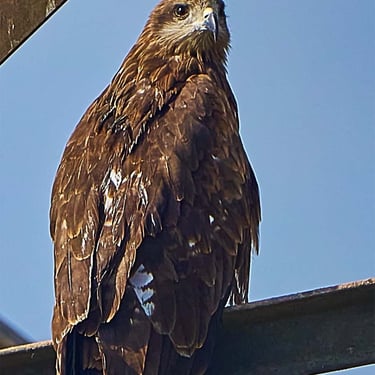
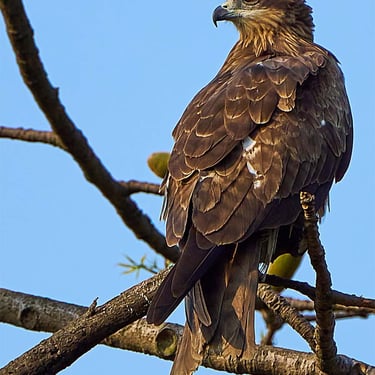
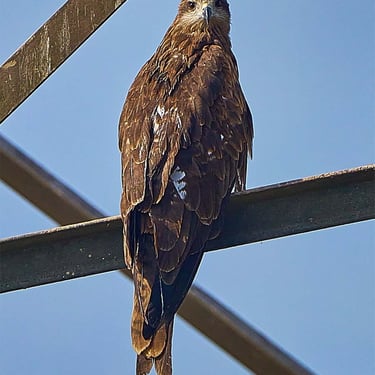
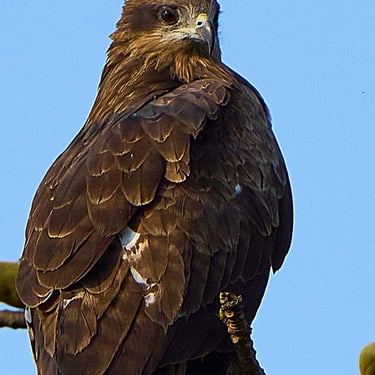
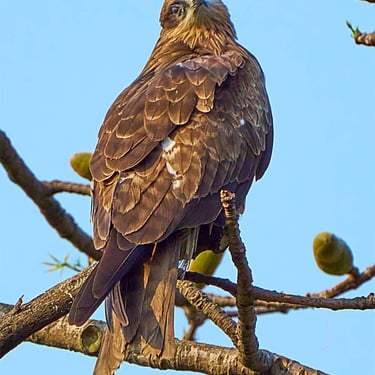
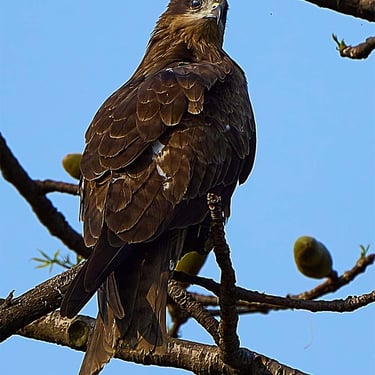
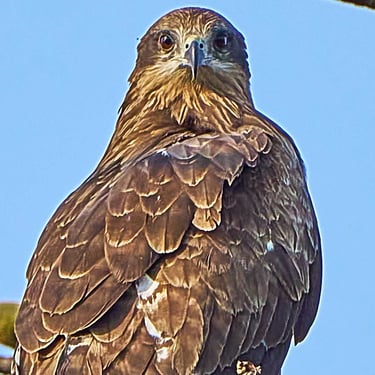
The photos here are of black billed black kites and recent studies have concluded that the yellow billed kind are a totally different species despite the similarities. Out of all the Raptors who are active during the day, these guys are the ones who are primarily scavengers and are opportunistic hunters at best and I guess that’s how they fit into the gaps left by the Vultures. Their range includes Australia, South East Asia, the Indian sub-continent, China, sub-Saharan Africa and Europe. There are a lot of urban jungles in that range and these smaller raptors have evolved well for modern life in these cities of plentiful waste. The pictures in this post have all been taken near my hometown of Guwahati. Some of them are from the closest garbage dump to my home while the rest are from Pobitora wildlife sanctuary which is an hour or so away and these Black Kites look pretty much at ease in both kinds of environments as you can see.
I did visit the dump to find scavengers in case you’re wondering cause I remembered being told that the dump in Guwahati is a goldmine for Vulture pictures a few years ago. Well, there were no Vultures left there for me but I did run into these guys and another ancient scavenger who is quite an endangered rarity these days. The visit did get me to eventually figure out the current status of the Black Kite though and there’s that but, it’s still not something that I recommend because the garbage ruins the pictures. The subjects aren’t close enough for you to avoid the garbage in your images and it’s sad when you don’t have a chance of awesome pictures after tolerating the rancid smell of the place. Don’t visit if you have a sensitive sense of smell and if you puke easy. I haven’t had the stomach to go back cause it’s that bad despite the possibility of seeing an endangered species. But if you really want to see the Greater Adjutant Stork, manning up and seeing Guwahati’s dump is probably one of the last options left for you in these parts. I guess you could just carry perfume or something. All the best !
© 2026. All rights reserved.