
The Babbler's Fuss II - The Actual Fuss Is 'Cause Of Us
The Curious Case Of Very Different Birds All Named The Same
BIRDS
Aniruddha Bhattacharya
2/16/20265 min read
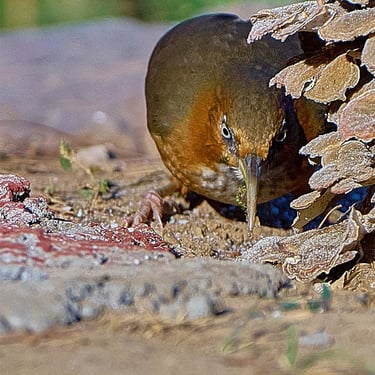
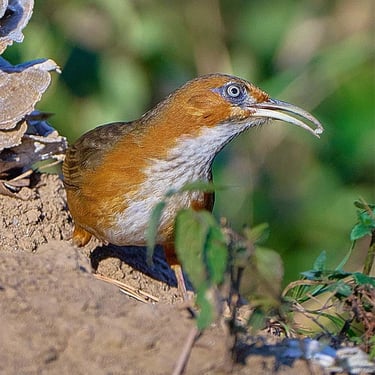
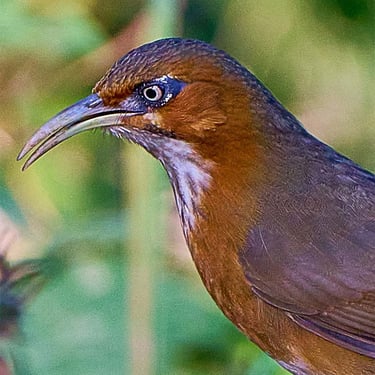
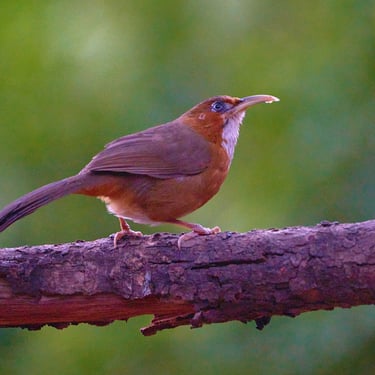
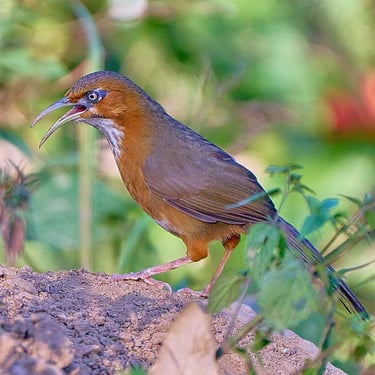
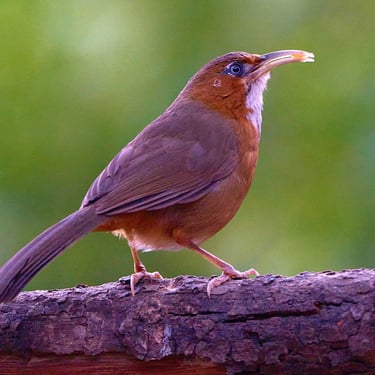
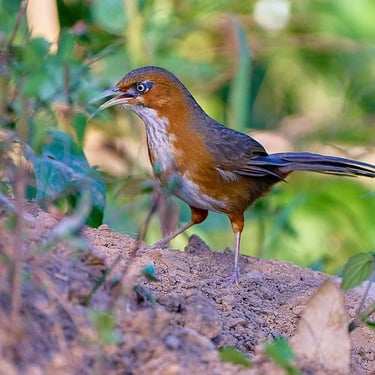
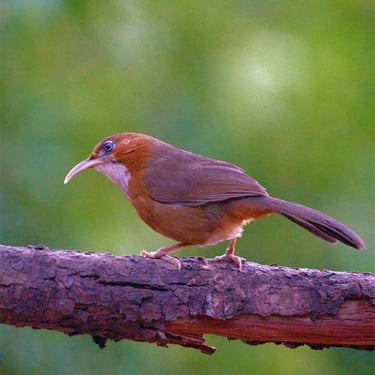
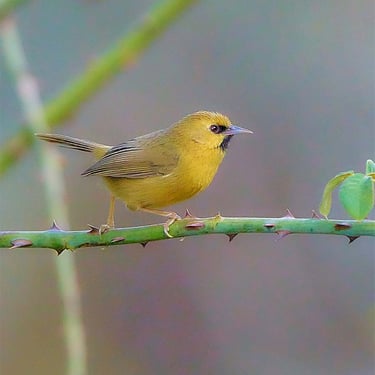
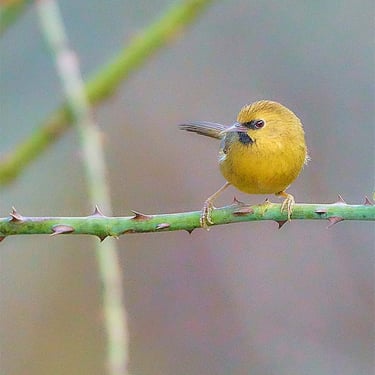
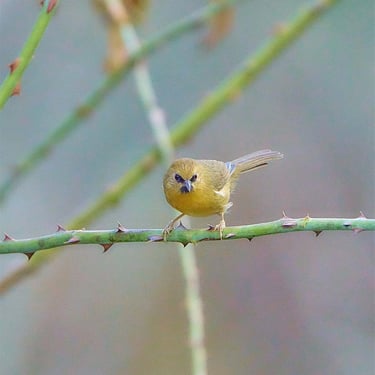
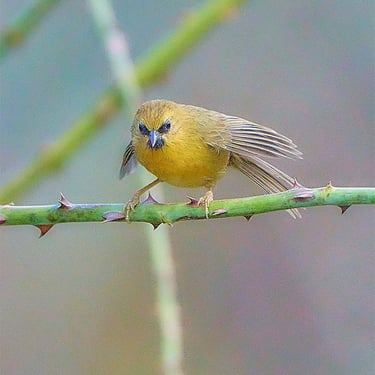
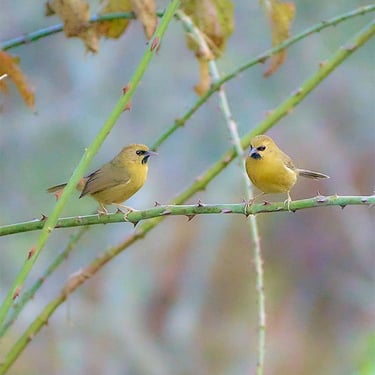
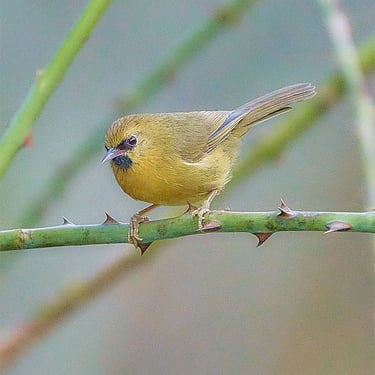
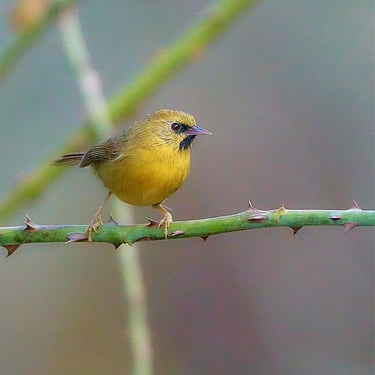
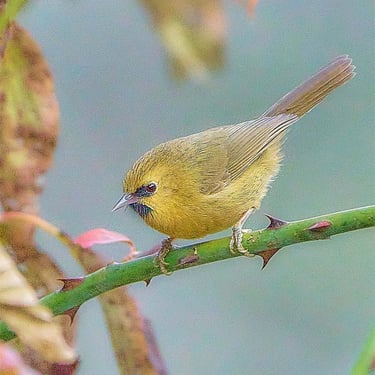
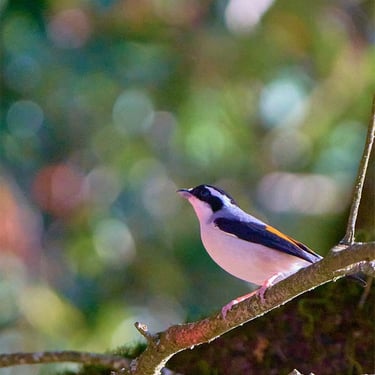
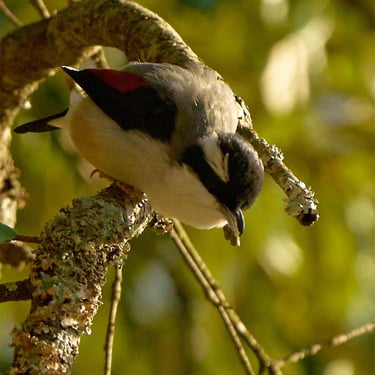
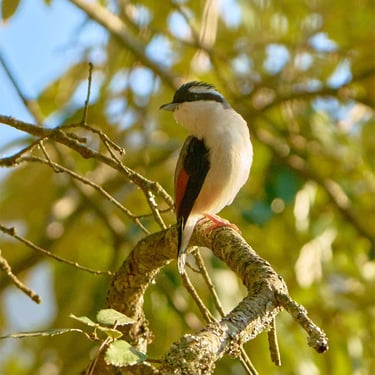
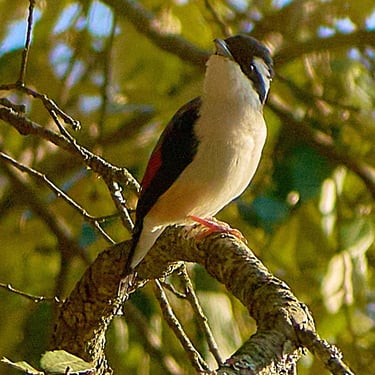
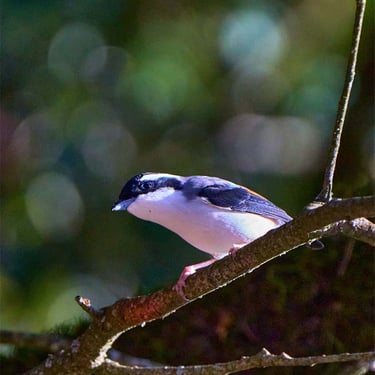
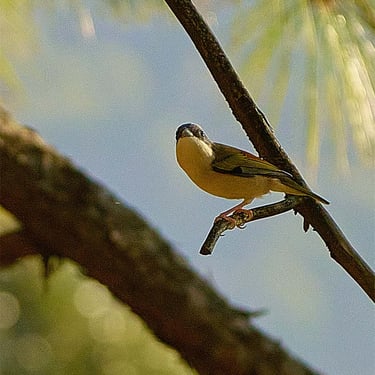
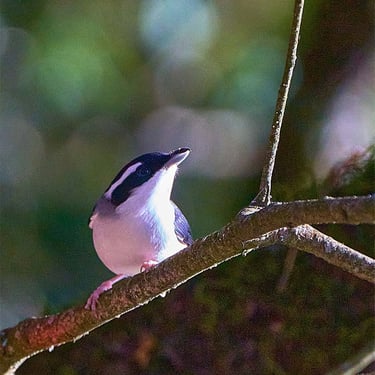
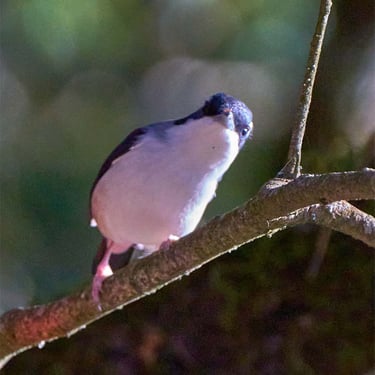
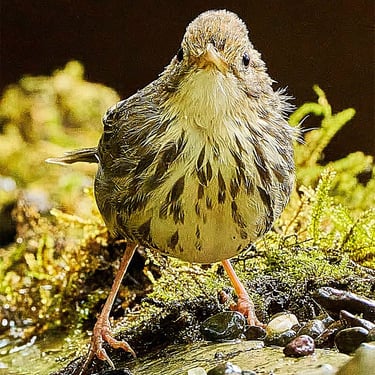
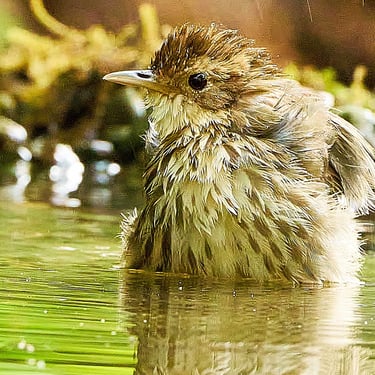
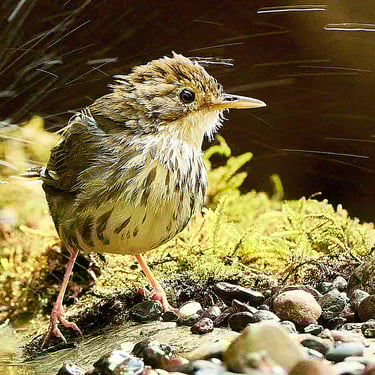
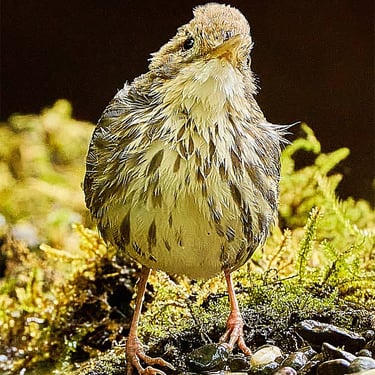
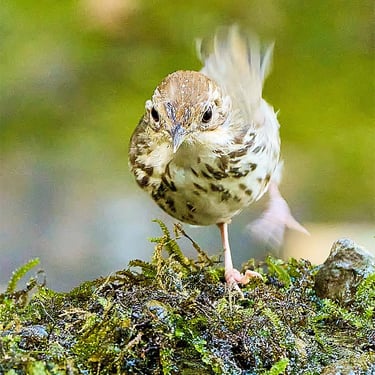
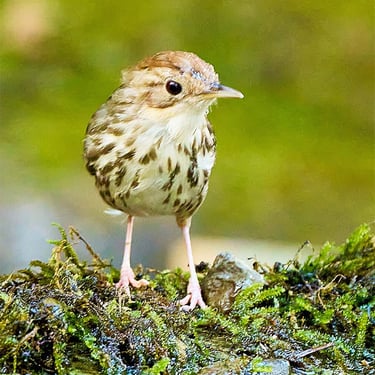
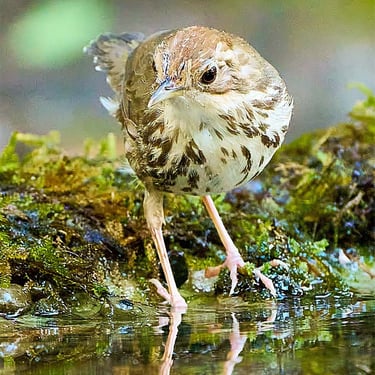
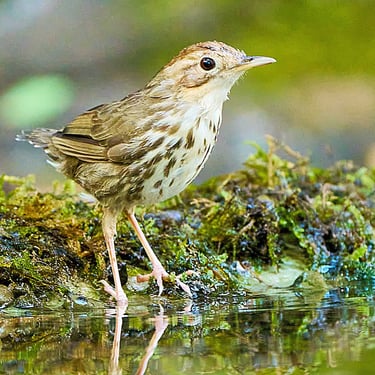
Pics : 1 - 8 = Rusty Cheeked Scimitar Babbler ; Sallal | Pics 9 - 16 = Black Chinned Babbler ; Sattal | Pics : 17 - 24 = Himalayan Shrike Babbler ; Pangot | Pics : 25 - 32 = Puff Throated Babbler ; Mulshi
I’ve stayed away from posting about Babblers because the waste bin taxon of Babblers was pretty much the creation of nonresident classifiers who were probably in a hurry to get publishing credits even before the complete picture about the nature of the birds of the region emerged and I was avoiding that mess. The guys in the early race over species classifications did some path finding work in many respects but in all honesty, we have to admit our muck ups as well if we are to learn from them. They were literally working off specimen collected from the field without even visiting the field themselves at an age when they didn’t have decent cameras, computers or voice recorders. These guys were literally getting samples sent to them on ships to make distinctions based on field notes by wildlife classification mercenaries and in many cases they were even naming species after themselves. It's ridiculous how many birds today carry Jerdon's name. These guys were in a race to stamp their names in history and waiting a bit before throwing all the species their East India goons saw chirping in the bushes into the same group would’ve probably made some sense especially when it was turning out that a common trait that they were using for classifications was just too common in this part of the world. Many and more birds who aren’t called Babblers do Babble as it turns out but common names had been accepted by the time the lights turned on somewhere and we now have a huge variety of different kinds of birds who share the name Babbler for a frivolous reason. There are over 450 species of birds from Africa and Asia who have been thrown into this huge group. A more scientific approach to the mess has since divided these species into at least 5 different families but what’s done is done and like it or not, they’re all Babblers for eternity now. They’re all very different from each other and just a few of the ones that I’ve seen around the country can easily show you how.
“The Babbler’s Fuss I” highlights some of the birds I’d call true Babblers cause they do have commonalities among themselves. Just one look at them and you can see that the species are related. Most of these guys get upto 25 cms and weight upwards of 60 gms or so with a very similar overall look and behavior about them. It was a total surprise for me then, when I got to Sattal and on my first morning there, was introduced to the Rusty Cheeked Scimitar Babbler who you see here in Pics : 1 – 8. My guy had nothing in common with my expectation from his name. Armed with that long, curved beak that this guy is named after, he was a bit of a surprise to say the least. My guy's size, shape and behaviour all seemed totally off for even a novice like me. It was like meeting a Doberman and being told that it was a Labrador. The downward curved bills of these birds help them work through the leaf litter and the name scimitar comes from the name of the single edged curved swords like the talwar which was the standard for combat in these parts. These birds have subsequently been divided into two separate genera that contain 17 species together in total.
Not knowing what I do now, I decided to keep my mouth shut and took my observations on face value on that trip to Uttarakhand as I learnt about birds for the first time and the next very day, I was introduced to the Black Chinned Babbler who you see in Pics : 9 – 16. At 10 gms or so, these guys were my introduction to little birds and their behaviour. These guys were completely different than what I considered Babblers yet again and totally different from what I'd seen the day before as well. Their fast movements and the difficulty in capturing what I could of the sighting completely overshadowed the lingering question that I totally dodged when I wrote about them here in “The Black Chinned Babbler !” even a year after the sighting. In fact, I pretty much dodged writing about the other Babblers here at all cause I needed to hear and read out the opinions out there for sure. I mean, who was I to question people who’ve written books you know? But questions do arise when you repeatedly hear the same name being used for such totally different animals. But as you stay on this path and meet others, you do realize that you’re not the only one who’s seeing that the Babbler’s Fuss was sadly more of a silly human fuss and just like how "The Laughing Thrush’s Joke" had been about us the whole time, this fuss was completely on us cause the birds, they didn’t even care that we’d gotten it wrong all the while.
It’s safe to say that my first two meetings with birds with the name Babbler on my first birding oriented trip had me pretty confused and then the last so called Babbler who I met on that trip just reminded me about all the guys who I’d met on safari who’d repeatedly said that birds were just too confusing to get into. My guy in question was the Himalayan Shrike Babbler ( Pics : 17 - 24 ). Now, I’d met Shrikes and I’d seen Babblers but how the hell was this guy both when there was no consistency among the Babblers themselves? Yeah, bird names seemed to be pretty much a lost cause at that point but the birds themselves were just so pretty as subjects and the affinity as a photographer was so natural from my viewpoint. The silly naming just had to have some reasoning is what I told myself cause the subjects themselves and their lives were completely interesting and intriguing for me. Well, it turned out that the Himalayan Shrike Babbler, fusses about in its bush and has to feed like the Shrikes. These birds have been moved in scientific classifications to a group containing similar birds found in the New World after molecular studies but like always in these cases, the common sticks cause no one except the scientists remember the scientific and no one really dares to take on the workload of renaming what has become common over ages.
My last birding trip to Mulshi introduced me to yet a new kind of bird with the name Babbler and it wasn’t surprising at all that he looked nothing like anything else called Babbler. These Puff Throated Babblers were out in a pair and their antics in the water gave me those pretty streaks that you see flying across the photos in Pics : 25 – 32. These guys weren’t shaped like and didn’t behave at all like the ones that I call the True Babblers. Not surprising then that I got back home to discover that they have been classified as the type species of the genus Pellorneum. There are around thirty sub species of these guys alone. Their distinct and unique genetic placement is necessary as having these creatures in the right place is essential if we are to observe the evolution and change that this whole exercise is supposed to be about in the long run.
So that’s how it is for the handful of Babblers whom I’ve met as a hobbyist. They've all been reallocated in scientific groupings. It was a confusing ride but I’m very glad that I stayed with my interest in these wonderful creatures despite the confusing nature of their naming. It's pretty easy to spot now that we had the methodology wrong during the early naming process. That’s just that and it doesn’t take anything away from the creatures themselves. The mess with their names and classifications isn’t fixable perhaps at such a late stage in the game but getting past it isn’t that difficult if you just stick with it for a bit and start trusting your own instincts and your observations. The poor birds were never confusing, we were confused cause we were deliberating by proxy. The babbler’s Fuss, is because of us and is part of a continued list of insensitive muck ups by Humans when it comes to these wonderful creatures and their place on Earth. Let’s just hope that we learn from our mistakes and not just let bygones be bygones.
© 2026. All rights reserved.