
Gobsmacked By The Ordinary III - Palm Squirrels
Grabbing Opportunities With Indian Palm Squirrels
SQUIRRELS
Aniruddha Bhattacharya
6/30/20266 min read
Mulshi ; Maharashtra
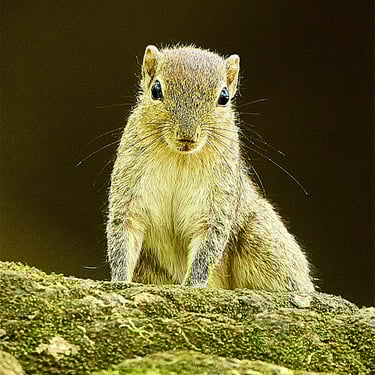
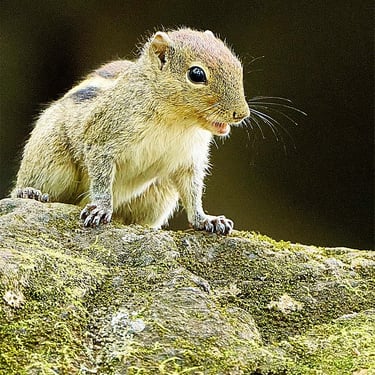
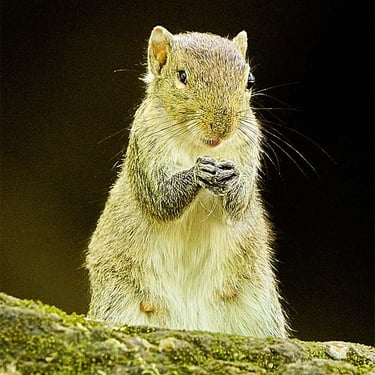
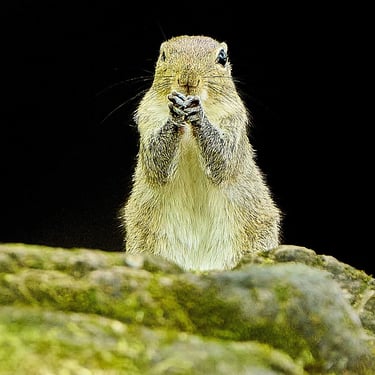
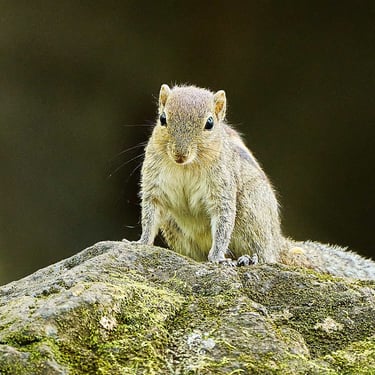
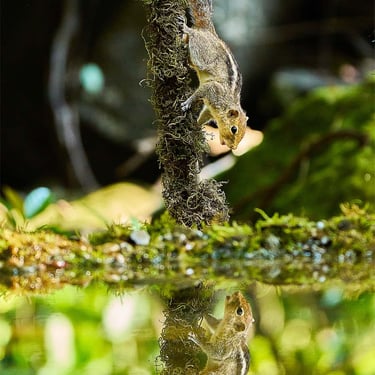
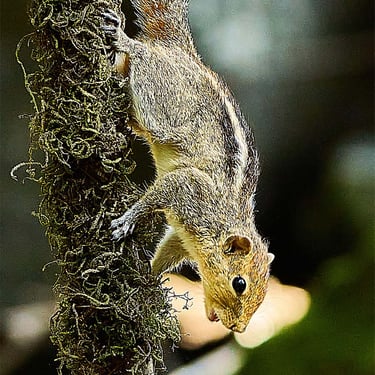
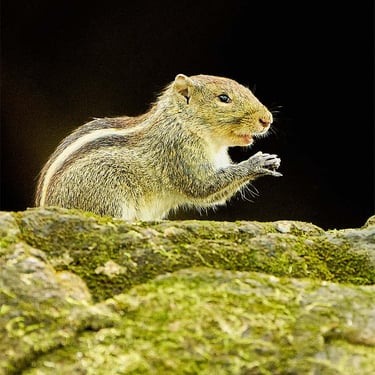
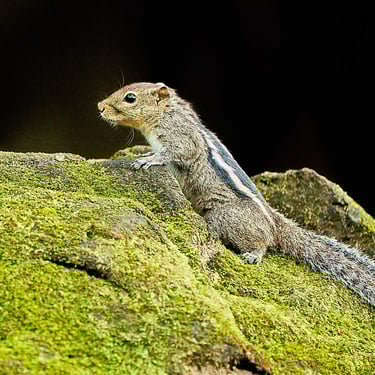
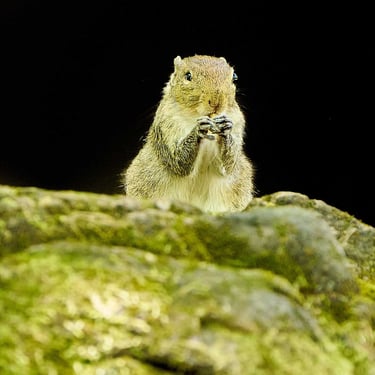
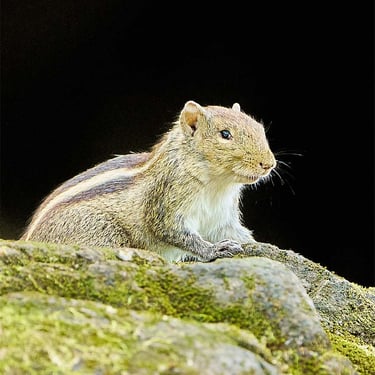
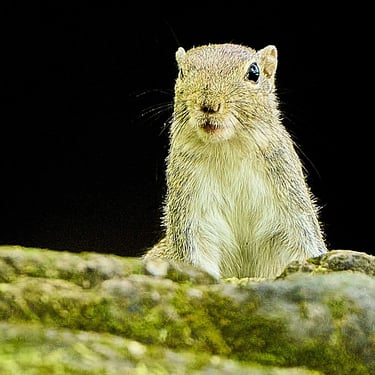
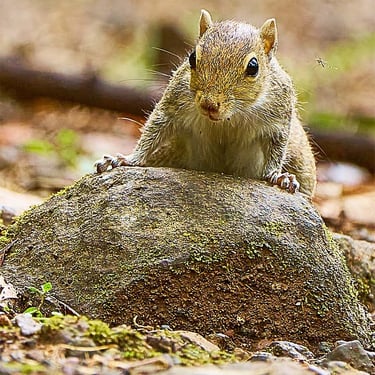
“You’ve brought a lot of memory with you, or what”? That’s what one of the guys who were at the bird hide in Mulshi asked jokingly when he saw me repeatedly take pictures of the squirrels that frequented the place on my first day there. I laughed at his question right then cause I knew where he was coming from. The Indian Palm Squirrel is the most common species of squirrel found across the country and I was indeed travelling with limited memory storage but then, I reckoned that I probably knew something that the rest of the guys at the hide hadn’t gotten wise to as far as photography was concerned. I knew that I could darken out the background of those photos because of how the light was hitting these subjects that day and also cause of their distance to the background. My subjects were common alright, but if I played it right, I’d be practising a newly learnt technique that I’d figured out in the Andamans and had managed to deploy only briefly there. I also knew that if I got it right, these images would be strikingly different and would be a great addition to this site. I’ll pick good pictures of a common subject on any day over crap ones of a supposedly rare species. Most of the so-called rarities in this game are perceived to be so cause of geography anyway so yeah, I didn’t mind using up my memory card to make good pictures at all. In fact, I’m pretty glad I did cause I also got to learn so much about the Asian Palm Squirrel and score this beautiful set in the process.
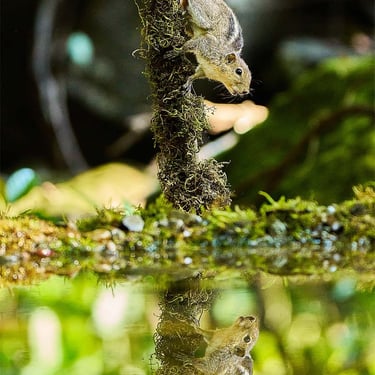
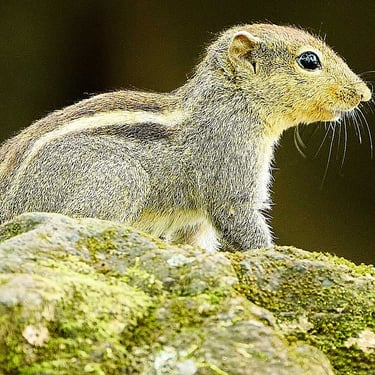
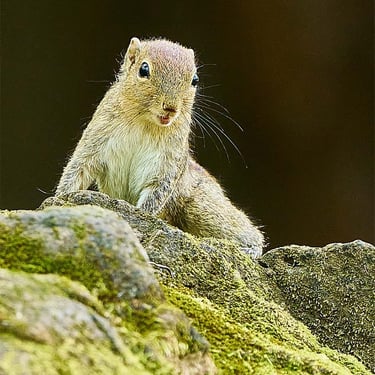
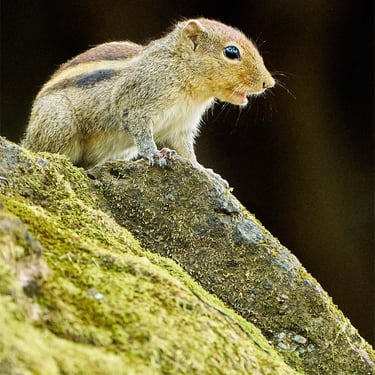
The last two posts about being Gobsmacked by the Ordinary have been about how certain characteristics of subjects and locations create surprisingly beautiful results in photography. Well, this one’s about how the right technique can keep you interested in even a common subject and elevate the images to transform the common into stunning. I’ve written about how the right amount of face light on a subject and the subject’s distance to the background can be used in camera or on the editing software to make the background turn dark while the subject remains well lit in daylight in “A Matter Of Perspective – I”. As you can see in that post, I managed to score darked out background images of many subjects on that day with varying levels of dark backgrounds and the squirrels were the most practised upon subjects cause they played around that watering hole repeatedly throughout that day. It’s these two ordinary Asian Palm Squirrels who gave me the freedom to mess around and understand this technique which had kept me guessing for a long time before I started recognising the opportunities which allow this manipulation under natural conditions. The surprise with this one is for the audience cause you are the creator of this surprise and we just have to remember that it has to be deployed with scale in mind. It will work differently for larger subjects if the background distance stays the same. The rest of the details are available in many an online tutorial but I can tell from experience that recognition of the right light is key in pulling off dark background images and practise is the best way to get it right. Light is a fickle mistress and you have to make hay while the sun shines, so to speak.
The thing with many creatures including these squirrels at the bird hide was that they’d usually come into the scene and to the water when they knew that they’d have the place to themselves. These guys overlapped with a pair of Spotted Doves once and sunset brought a whole lot of the local inhabitants out together for a last cool off in the water before nightfall but these two times were the only exceptions to the norm there. I’m sure that many of the migrants like the Red Breasted Flycatcher avoided the evening session and I guess that the quick, communal, evening cool off is perhaps a local thing among the little beasts that frequent that watering hole throughout the year. All in all though, most species preferred to have the place to themselves for their lengthy daily watering needs and while the birds bathed and drank, these little guys made an adventure of it by running around, chilling about and playing together as well.
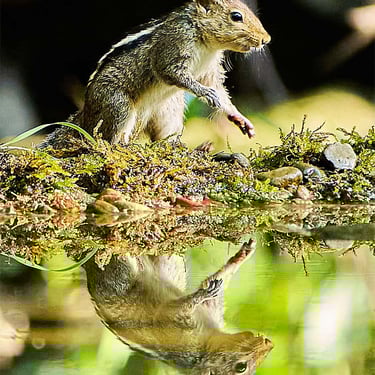
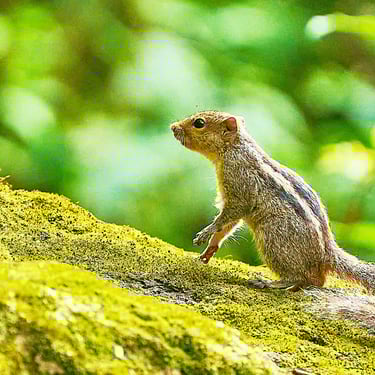
With no one else around, these guys had all of my attention and it was amazing for me to see how close in behaviour these guys actually were to Chip N Dale, the Disney Chipmunks from my childhood days of watching cartoons. I’ll have to say here that the guys in Disney got it pretty right with Chip and Dale for sure. Watching these two little dudes frolic around was just so much fun. I’m not one for binoculars usually but these guys made me wish I had a pair cause just watching their antics through the lens was getting a little painful and yet, the whole thing was so much better than just waiting around for birds to show up at the water. Their presence might have blocked the entry of some visitors but it was pretty evident that these guys were the locals here and knew their way about the place. Their jumps from one rock to the other were effortless and their familiarity showed in their movements. Squirrels aren’t ones to wrestle and tumble around if they sense danger and these guys were pretty much at ease at the spot. I was only left wanting for more of the wrestling action around the water which didn’t happen sadly. The hide was set up for a view of the water and the angle and distance of the action between the two squirrels sadly didn’t make good pictures. All in all though, I’m pretty happy to have the set of pictures that I have of these guys.
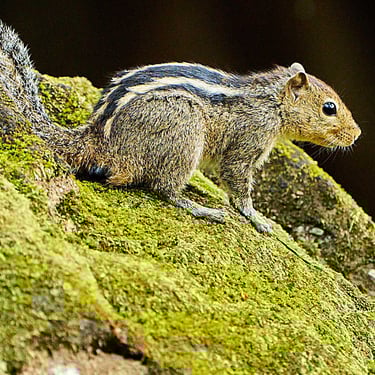
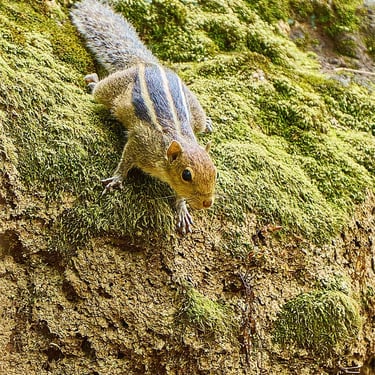
Indian Palm Squirrels are the most common squirrels found in India and these guys range all around the country and are a species that’s found here exclusively. The three stripes that run down the back of these guys sets the species apart visually and legend has it that these stripes formed where Lord Ram touched the squirrel lovingly as he had helped in the construction of the ‘Ram Setu’ bridge between India and Sri Lanka that Lord Ram used to get his army across. Those stripes on its back are the sure shot and easy identification trait for the species. Like most squirrels, these guys build their nests on trees and are known to reproduce throughout the year. These guys are solitary with the exception of mating and child rearing and I’m pretty confident that this pair is a mating couple that’s picked this watering hole’s vicinity to bring up offspring in soon. Mulshi’s a rural area and pretty well suited for squirrels as it provides the foraging benefits of having humans close by along with the protection from many predators that comes with having humans close. People generally have a positive outlook to squirrels and that works pretty well for their benefit. They’ve even got a birding hide and its watering hole in their vicinity and that can’t be bad real estate for these guys during the day at least when the owls aren’t around to spoil the party.
These squirrels solved the riddle of the dark background on daylight lit wild subjects for me and I’ll always remember that. Their long play sessions in the right light gave me the practise and a chance to twiddle in my settings which was needed to understand what I’d stumbled upon with the Vernal Hanging Parrot from Andaman. Long sightings are a rarity for us usually and especially with little subjects who always seek out cover and are in a hurry. Not these guys though and that chance just let me do my own thing to solve what needed solving for me. I could implement what I learnt with them right after their exit from the scene with other subjects that came to the watering hole and that can be seen in all my photos from that location which were taken while the same lighting conditions lasted that day. Dark backgrounds work well in bringing out details of the subject and face lighting does the same. The subject ‘s details pop a lot more and I love the effect cause I’m such a sucker for details in my images. The effect is easily recreated in the studio and often these days by studio photographers for their needs. For the ones among us who practise while travelling and in nature, it’s a part of the chance of the game. The same is true for the reflected images of these guys from near the water. There’s no guarantee that you will chance upon clear reflections on water that’s not turbid. There are too many environmental factors that effect turbidity and ripples on water and I lucked out with clear reflections on that first day in Mulshi as well. The repeated sighting of these squirrels at the watering hole was a lesson for me to grab any opportunity that one gets as a photographer. Unwanted images can be deleted to clear out memory but lost chances take a lot of time to come by again when you’re a hobbyist.



© 2026. All rights reserved.