
They've Got The Look - Himalayan Black Lored Tits
The Photogenic Himalayan Black Lored Tit
BIRDS
Aniruddha Bhattacharya
8/11/20265 min read
Sattal, Uttarakhand
The lore (adj. loreal) is the region between the eyes and nostrils of birds, reptiles and amphibians. Now, I for one sure as hell didn’t know that till I met this bird but I do wonder if those French dudes who made up a fancy word by combining other words to sell shampoo, soap and such ever imagined that they would have women from all around the world claiming to be “worth” that comparison in actuality albeit unintended? Sure, there’s a language gap there but it’s a hilarious argument that always wins with my wife nonetheless and I’m certain that I’ll be passing around this knowledge as far as I can for the laughs from it at least. Loreal ! “Look Reptilian, Cause You’re Worth It !”
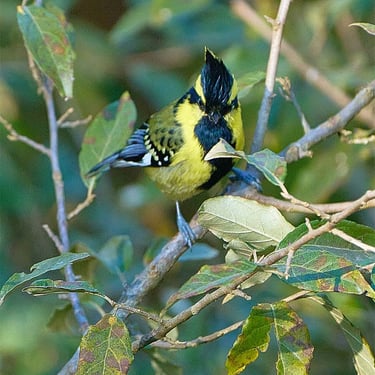
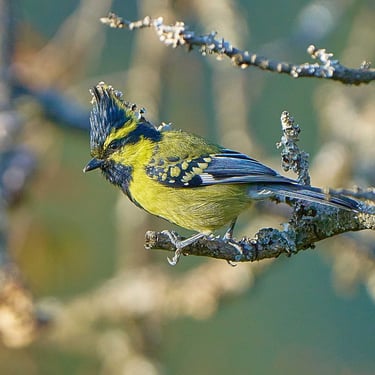
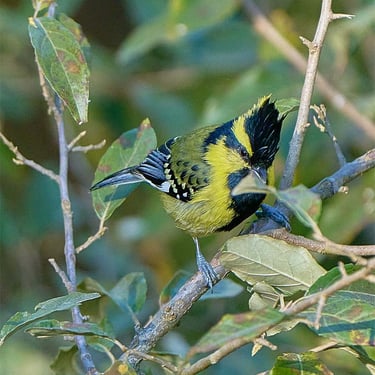
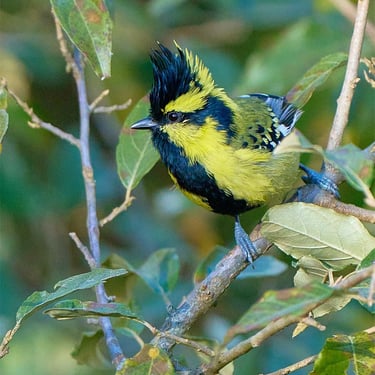
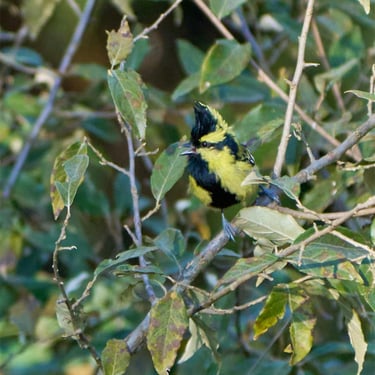
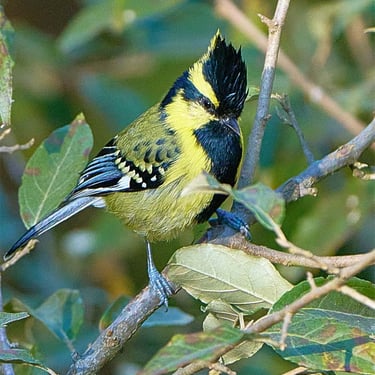
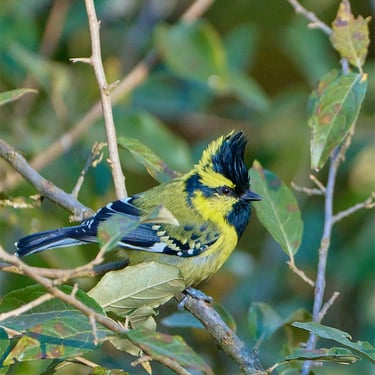
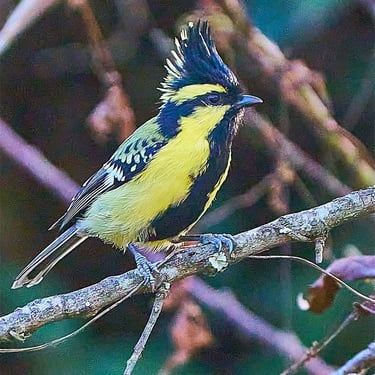
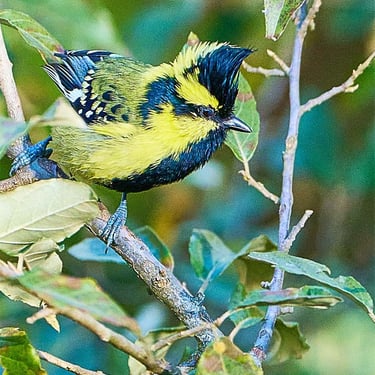
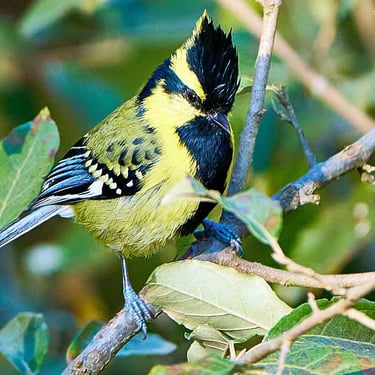
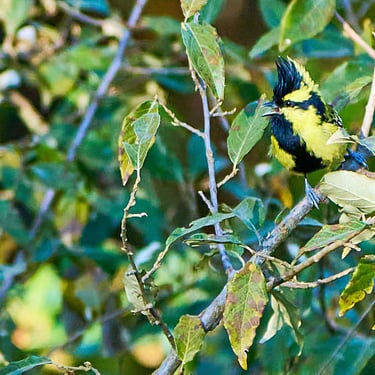
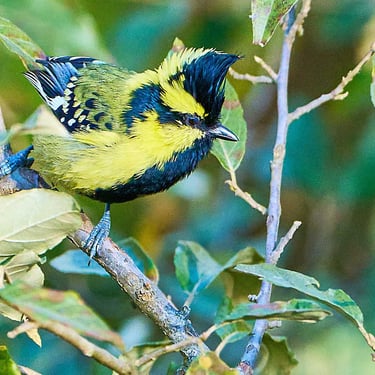
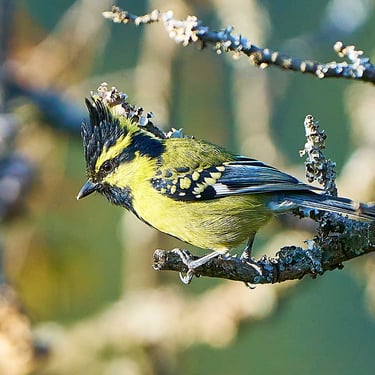
Funnies aside though, my guy in focus is the Himalayan Black Lored Tit and this guy stands apart from most birds in his family not because of the region between the eyes and nostrils actually but more so because of that crest or mohawk which accentuates his attitude and makes him unique. The inherent active and curious nature of this species along with the presence of that crest makes these guys easy to identify, observe and track and the fact that they’re pretty much on the larger side as far as Tits go, also makes them regional superstars among birding enthusiasts when in that range. Their smaller cousins like the Black Throated Bushtit are a lot more skittish and difficult to spot out in those mountain forests while these guys are easily found perched and relaxed on trees out by the roadside in the Lower Himalayas where they are found in India. I’d spotted my first of their kind by my first evening in Sattal and on my first outing after reaching my hotel. That said though, they’re not so common that you see them everywhere and all the time. The bird guides in Uttarakhand know their habitat well and like with most guides in the Reserves, word and news about sightings spreads through the community as every season progresses whether someone wants it to or not. Birding guides in non-reserve areas in my experience are a lot more secretive about their “spots” than the guides that you find in Reserve Forests but then that’s probably because they do have to work a lot harder and cover a lot of territory to find the specific species to show their guests and discovery perhaps brings with it some feelings of ownership usually. Word usually gets around though one way or another from what I’ve seen in most places. There’s no escaping that in our connected world today and especially in a place like Uttarakhand where normal folk can identify a lot more species of avians than their counterparts in the rest of the country.
These birds are closely related to the yellow and yellow cheeked tit species and these three species show a distinct lineage morphologically. They’ve also been shifted to a distinct genus after a molecular phylogenetic analysis that was published in 2013. They’re still tits, just slightly different I guess and that’s just how they look along with their other yellow cousins whom they never probably meet as there is no range overlap among these species. These guys are large for tits like I said earlier and get upto the size of Great tits at 14 cms and can weigh upto 20 gms. Like other tits of the lower Himalayas, they are often seen in mixed species foraging flocks especially in the non-breeding season. I’ve personally not seen em in these mixed flocks but it’s a pretty smart tactic that I’ve seen other tits from the region like the Green Backed Tit and Black Throated Bushtit engage in. There’s security in numbers for small creatures and these birds of the Lower Himalayas have that conditioned into them for survival in the mountains. Small birds prefer the mountains because it’s just easier for them to get around in that terrain in comparison to ground dwelling predators and their preference for life in the bush also keeps them safe from larger avian predators in general. Foraging as a group gives them more eyes and voices on the look out for any danger or change in environment.
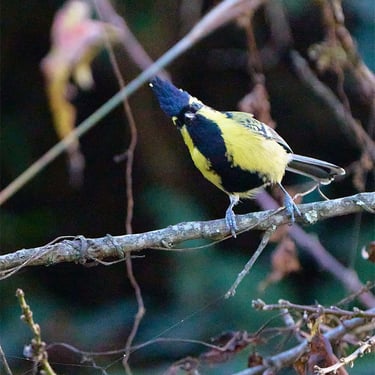
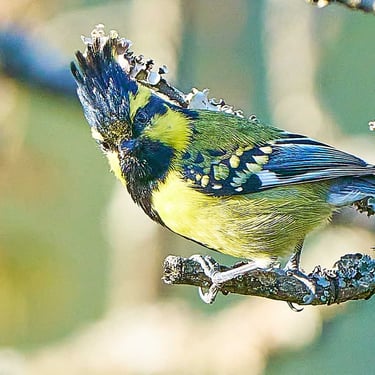
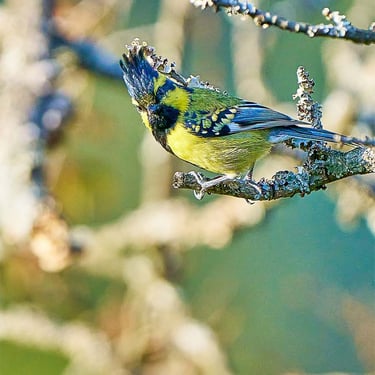
My experience with these guys was probably different in comparison to the other larger Tits whom I met on that trip to Uttarakhand because these birds were mostly out chilling when I found them and not actively foraging like the Green Backed Tit who is of a similar size but then, most other Tits in that range weren’t as bold to be out chilling by the roadside in the first place. Unlike the others, they seemed to acknowledge my presence and perhaps evaluate whether or not to bail from the perch that they were at because of my approach. They gave me plenty of stares which worked well for images. In fact, I could have sworn that one of em did a little dance for me when he got comfy with my presence in his vicinity like you can see in Pic : 7. It’s not the best of images cause things happen fast with birds but this little guy definitely gave me a moment from the wilds of Uttarakhand that I will always consider unique and special.
These birds are not migratory and they are known to use the nests of other birds like Barbets and Woodpeckers. They will also excavate their own holes or even use man made sites if it suits them. They are seasonally monogamous birds who pair up during the spring breeding season. Both the male and female of the species build the nest together after site selection and both also participate in feeding the young when they hatch. Their clutch size varies between three and five and chicks usually stay with the parents for about three weeks or so. The females and young of the species are duller in colour in comparison to the males and the underparts of the species appear duller as you move from North to South of their range. Like most bird species from the region, there's very little data out about them and pretty much all you get officially is that they're different looking Tits with slightly different calls. The terrain's tough up there and it's a tough job to document and even count these little guys. Their status is all heresy if you ask me cause it's not physically possible to count and document these birds in that terrain and that in many ways may just be a blessing for these guys and the reason behind their choice of that habitat in the first place. For now though, we just have to be content in knowing that they are still seen in and are active in the lower Himalayas as they were before and that just has to suffice.
The Himalayan Black Lored Tit is the easiest to recognise among the tits in my opinion and also the most handsome of the lot regardless of which gender you meet. It’s the crest that does that and the inherent inquisitive and playful nature of these guys which makes them stand out among the other Tits that I have met so far. They are also seen a lot around gardens and plantations in their range from what I have read and perhaps these guys have just adjusted better to Humans given their larger size in comparison to the smaller tits and their conditioning around our habitats. They’re gorgeous birds who naturally photograph beautifully cause of their features. They’re just good looking in my opinion and always striking a pose cause they just have the look for it and they perhaps know that "they're worth it". Don't you think?
© 2026. All rights reserved.