
Unwillingly Deceptive - Lesser Adjutant Stork
The Strange Looking Lesser Adjutant Stork
BIRDS
Aniruddha Bhattacharya
6/16/20265 min read
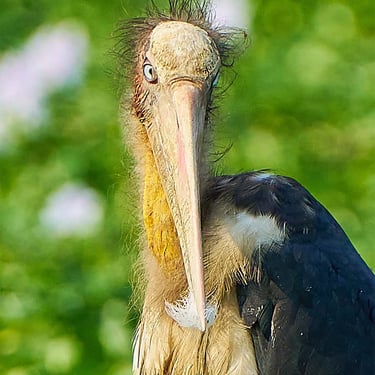
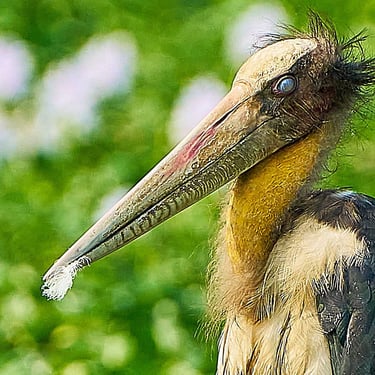
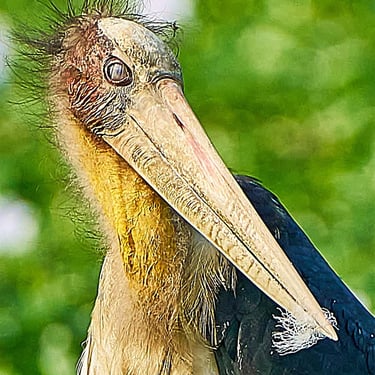
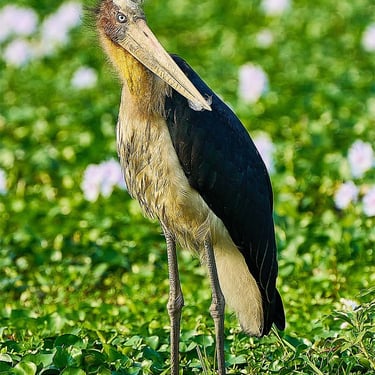
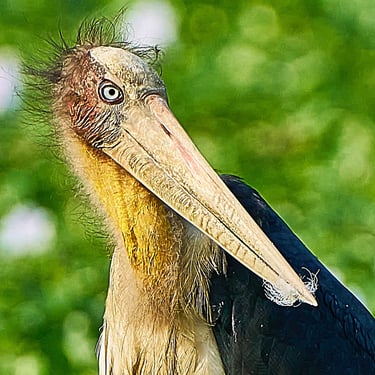
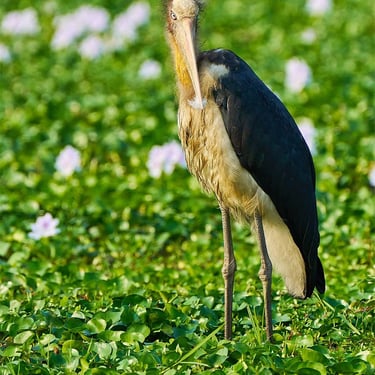
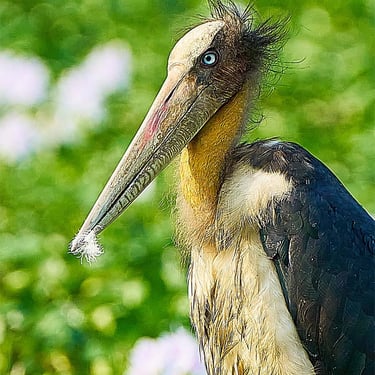
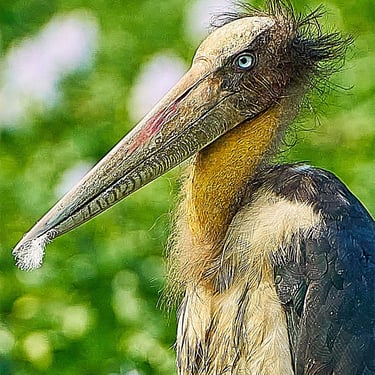
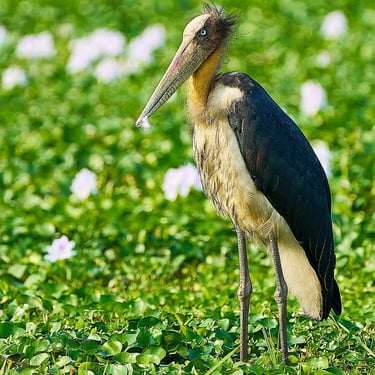
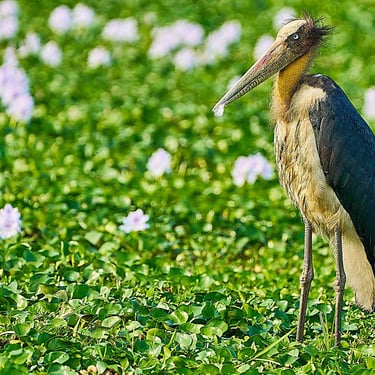
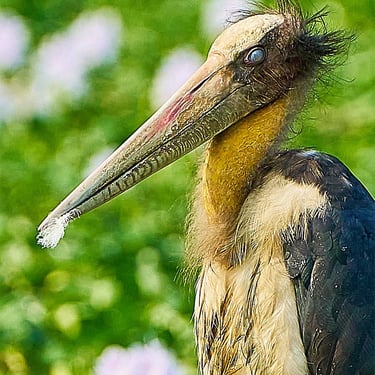
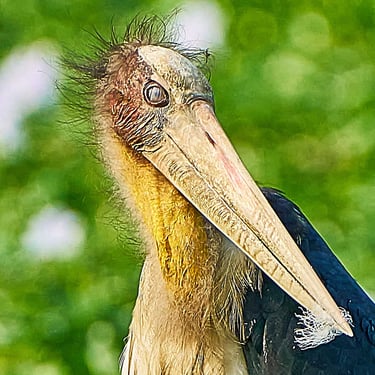
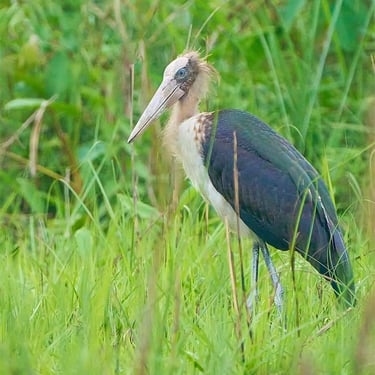
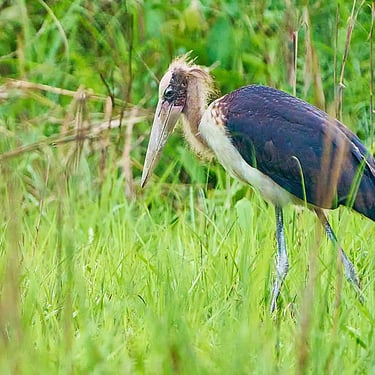
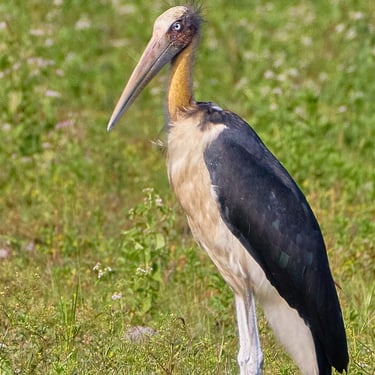
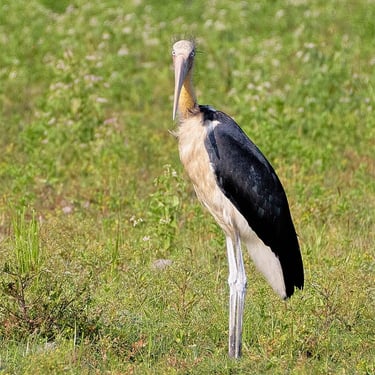
Pics : 1 - 12 = Lesser Adjutant Stork ; Pobitora Wildlife Sanctuary | Pics : 13 -14 = Lesser Adjutant Stork ; Manas National Reserve | Pics : 15 - 16 = Lesser Adjutant Stork ; Kaziranga National Park
My previous post was about one of the most melodious and beautiful birds that was coveted greatly all around the world by the traders of caged songbirds during times when having caged birds at home was still a thing. Incidentally though, the same woodlands of my home state of Assam that are home to The White Rumped Shama are also where another bird which is pretty much the opposite of the Shama is also found. If the Shama is known for being dainty and pretty, these guys are outright huge and ugly by Human standards and their evolutionary choices have left them with some striking physical attributes which are now unnecessary for them. The changing of habits which in turn effect evolution isn’t uncommon among bird species and we have seen many birds change their migratory routes or turn sedentary from migratory and vice versa but these guys pretty much changed their profession so to speak probably due to competition and the preference for quieter life and that, like they say, made all the difference.
The Lesser Adjutant Stork, although similar looking to its cousin, The Greater Adjutant whom I wrote about in “The Bone Gulper”, does not tick off any of the boxes that most larger scavenging birds do and yet it looks like one. His looks are deceptive but then, he didn't plan on that happening when he switched gears. The thing is that they branched off from The Greater Adjutants despite having common parentage a long time ago. They have bald heads like most of the larger scavenging birds such as Vultures and yet today, we find them wading around water bodies, on the lookout for their meals usually instead of focussing on scavenging which was their family business a long time ago. Their bald heads which evolved out of the necessity of getting into tiny nooks and corners of carcasses remain none the less and give these birds a distinct look for wading Storks. One could argue and correctly here that these guys pretty much evolved backwards actually as most Storks are waders and these guys just elected to drop out of the scavenging game for whatever historical reason which could include competition in their local area at the time or their now visible preference of a solitary life which just isn’t the way that scavengers usually work. Scavengers pretty much have to work in groups and that’s evident if we see the behaviours of Hyenas, Kites and Vultures. It just could be that these guys weren’t up for social living and just back tracked on their evolutionary path for a quieter life. Whatever the reason, they are left with the look of a scavenger today and behaviour that better aligns with the other non-scavenging Storks out in the wilderness. The story of the Beasts of this planet is just so amazing and this is just another example of the wonder that is nature for me. The wilderness brings a story with every sighting and its images and it’s just so amazing for me to be discovering it all like this story of the Lesser Adjutant whose looks makes us think that he is what he actually isn’t.
These birds ended up with the name Adjutant thanks to the English speaking colonizers who found their upright walking gait similar to the manner of the officers in the East India Company ie, the ‘Adjutants’ like I was telling you in “Bone Gulper”. Being a little smaller physically assigned the term Lesser to this species while their larger, scavenging cousin was called The Greater Adjutant. They are found near water bodies in woodland areas from India to Indonesia. These guys aren’t long distant migrants and are primarily resident birds who display nomadic and local migratory behaviour. They’re pretty easy to find still around most of the water bodies in the reserves of Assam despite them being classified as ‘Near Threatened’. In comparison, the Greater Adjutant is not easy to spot at all these days in Assam and as it turns out, the decision that these guys made when they split from their scavenging, larger cousins actually worked out pretty well for them because the scavenger’s way of life has turned out to be not as promising for the species that engaged in it in the age of Man as the Master species in charge of this planet and it’s environment.
I kinda knew that I’d be running into these guys in Pobitora when I visited and I got lucky that I caught my guy with something in his teeth to match the background when the meeting did happen as you can see in Pics 1 - 12. That and the fact that my subject didn’t walk away right after seeing me as is usually the case with these guys, helped me look at them differently and score some detailed images of their kind finally. My guy actually looks pretty comical when you get a close look at him and I guess I have Pobitora to thank for that. That place lets you get a lot closer than most others to your subjects like I've been saying and that's just great for details which I love to catch. A relaxed subject is also so much better than a busy one and I was lucky that this guy was on a break from the usual stalking that his kind do pretty much all day around the wetlands in their search for fish, frogs, reptiles, large invertebrates, rodents and small mammals. These birds are known to retract their necks while flying unlike most Storks and that is a trait that they have in common with the Greater Adjutant Stork and the Marabou Stork. In fact, all three of these species make up the whole scientific Genus that they are a part of and these birds have to retract their necks probably due to the heavy weight of their bills which are much heavier than the ones the other Storks have. These birds are usually silent and but they are known to clatter their bills at times and they also hiss and moan in their nests. They nest in colonies and its applaudable how community conservation efforts around those colonies in Nepal have greatly helped in the increase of their numbers and downgraded the species to Near Threatened from Vulnerable.
The Lesser Adjutant Stork is deceptive cause it’s chosen a role for it self that it’s ancestors didn’t forsee but its choice has perhaps elongated the lifespan of its species. Now, there’s no way that it could have foreseen this future but then a large part of evolution is causality and that’s just how it is whether we like it or not. The life of a species is pretty much like the life of a single person and one decision in either can lead down such a different route that everything changes in time. As far as I’m concerned though, I’ve landed the close ups of this species that I’ve wanted for a while now and that’s where that’s at. Now if only I could get some close pictures of one of these guys in flight? See how this hobby just keeps pulling you in? Man, I just love it.
© 2026. All rights reserved.